What for?
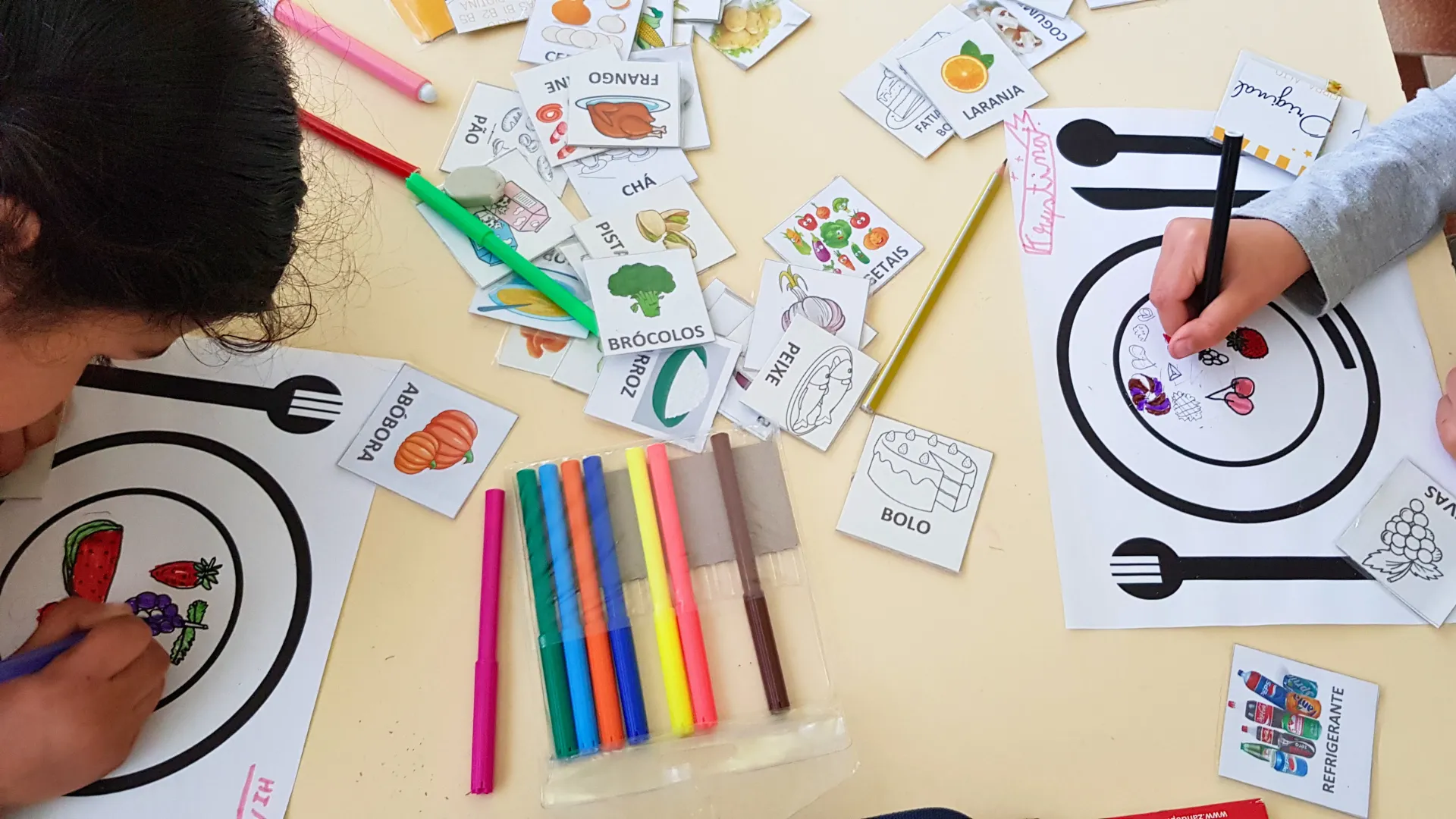
General Objective: To contribute to the psychosocial, academic and civic development of migrant students in the municipality of Lisbon who are in vulnerable situations and to promote interculturality in the host community.
Specific Objectives:
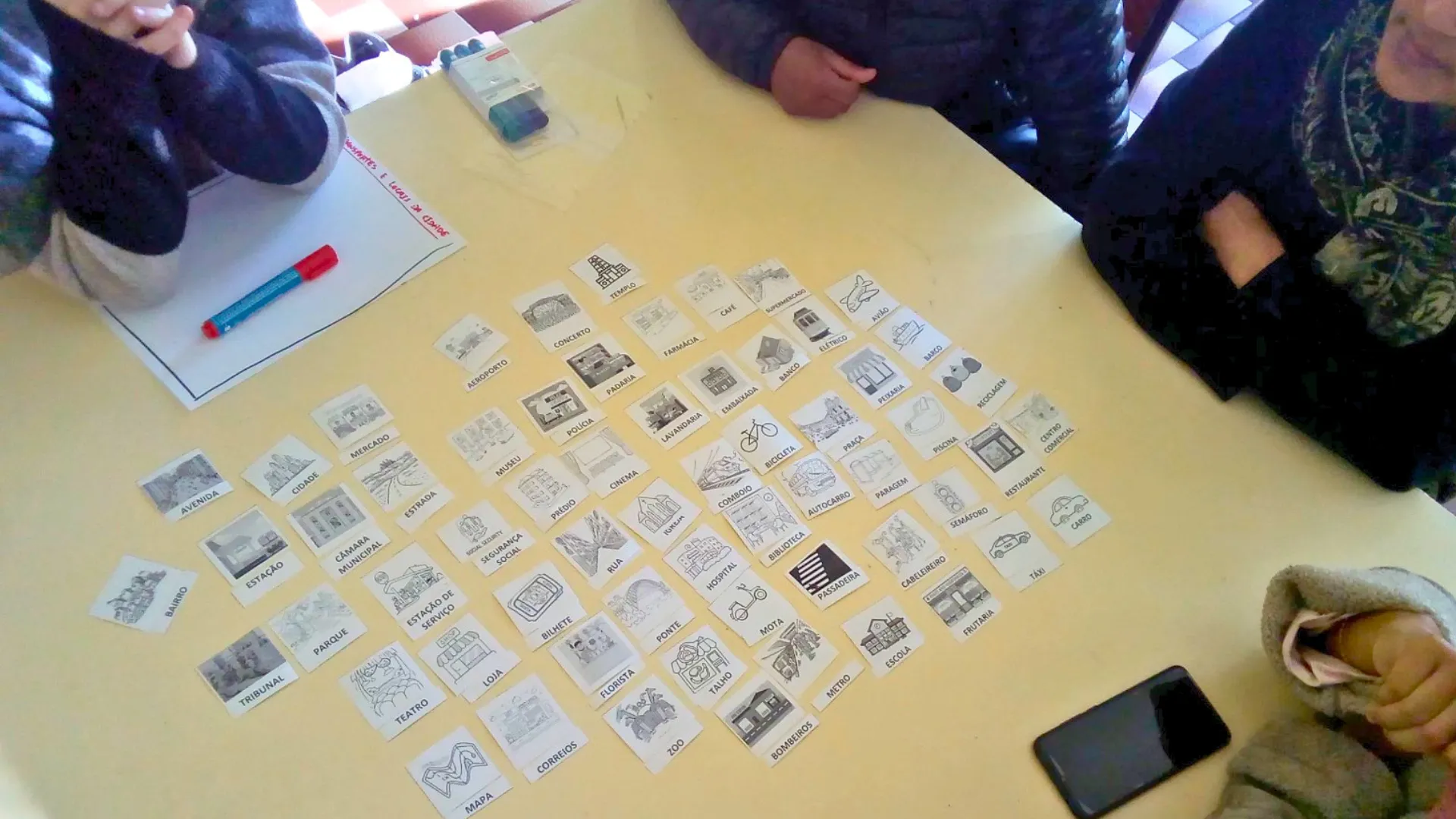
- To increase the capacity for understanding, production and oral and written interaction in Portuguese among immigrant students in the 1st cycle and JI, enrolled in public education, who have difficulties at this level, with an impact on learning, academic success and social integration;
- To increase the motivation and academic success of immigrant students, stimulating their personal and social development;
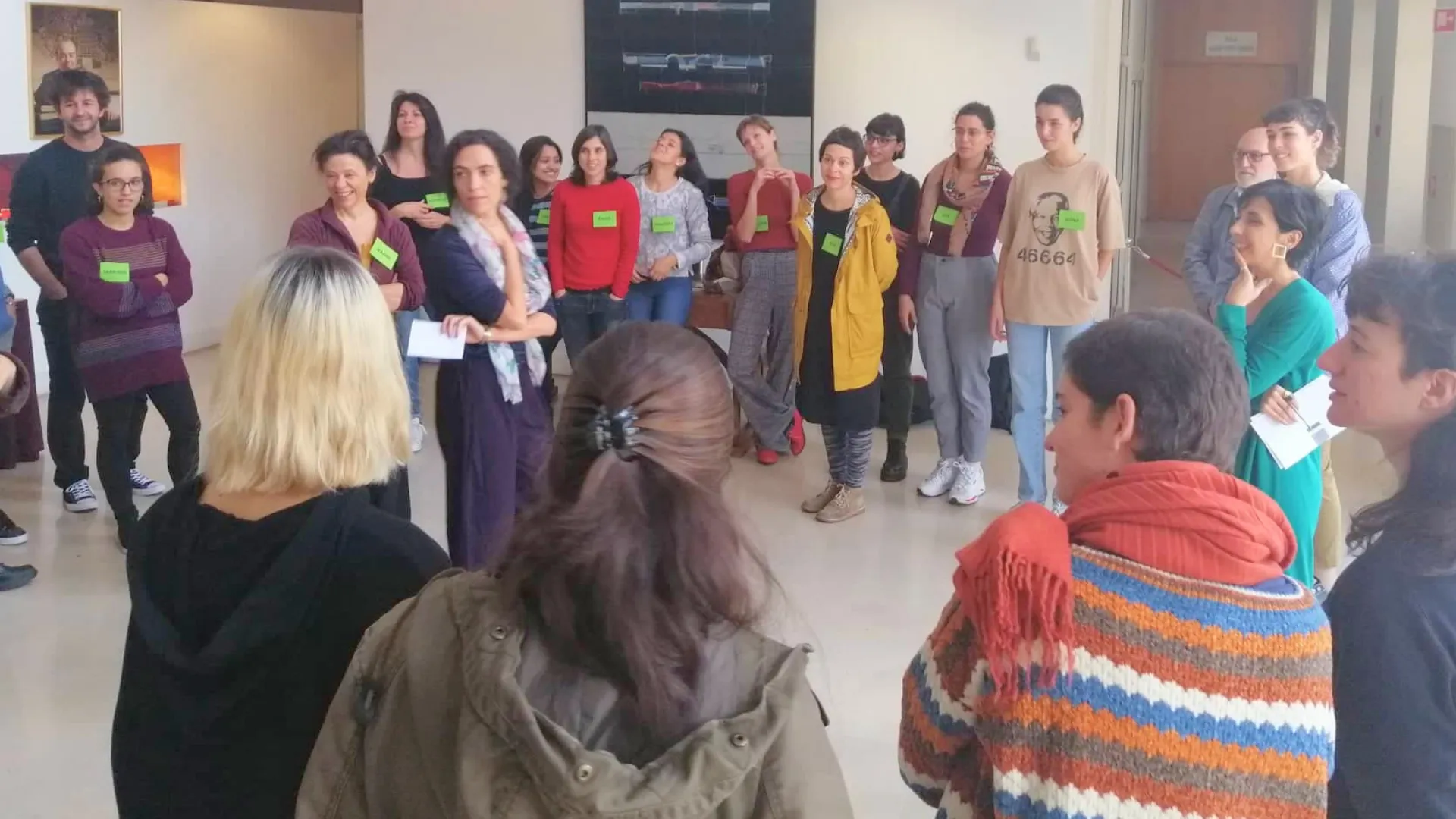
- To raise awareness (among students, volunteers, schools and the community) of issues of interculturality and global citizenship, stimulating the full integration of students and families in particular, and migrant citizens in general.
For whom?
Direct beneficiaries: migrant children in kindergarten and primary school at the Patrício Prazeres School Group who have difficulties with the Portuguese language
How?
Main activities
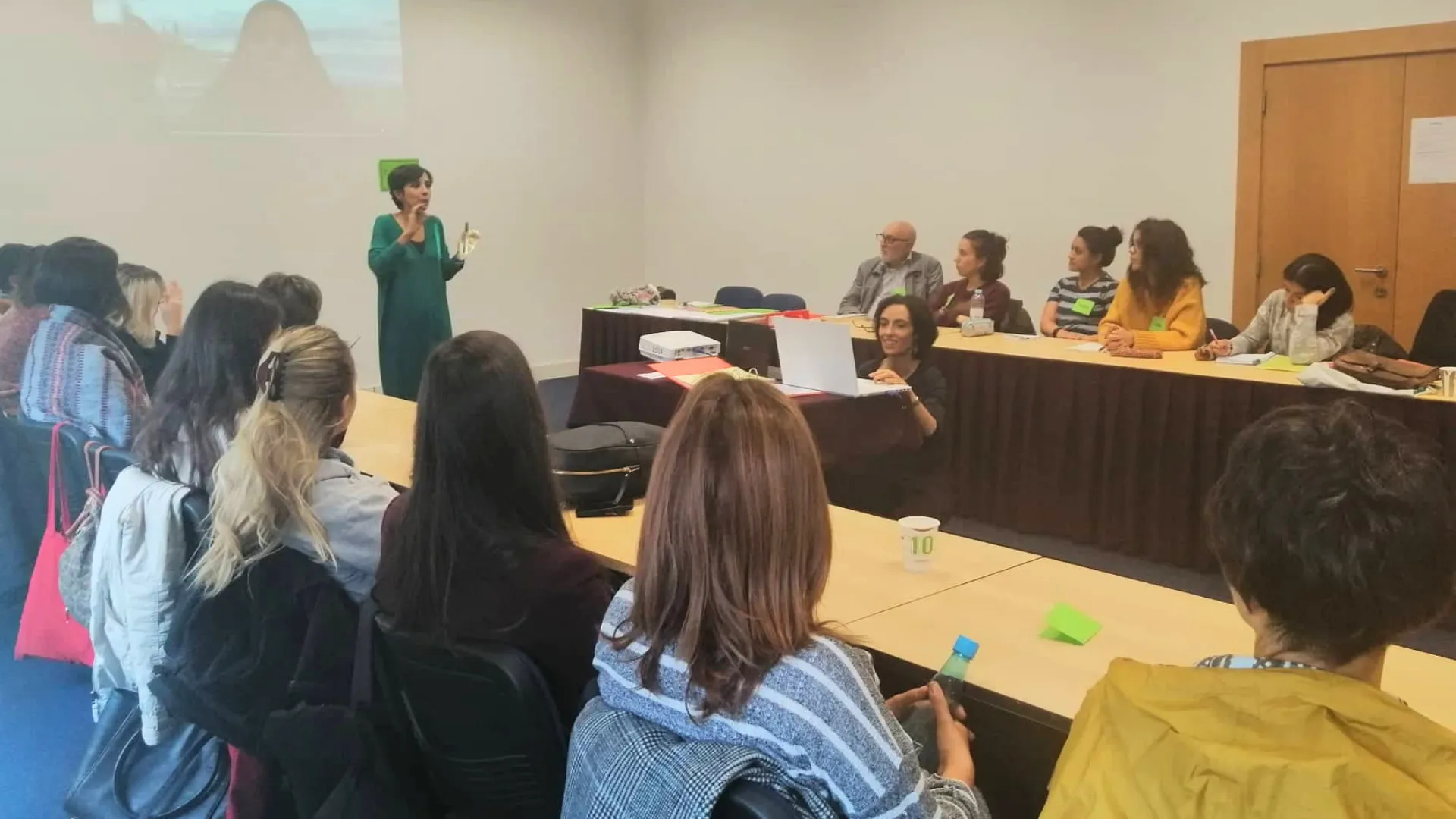
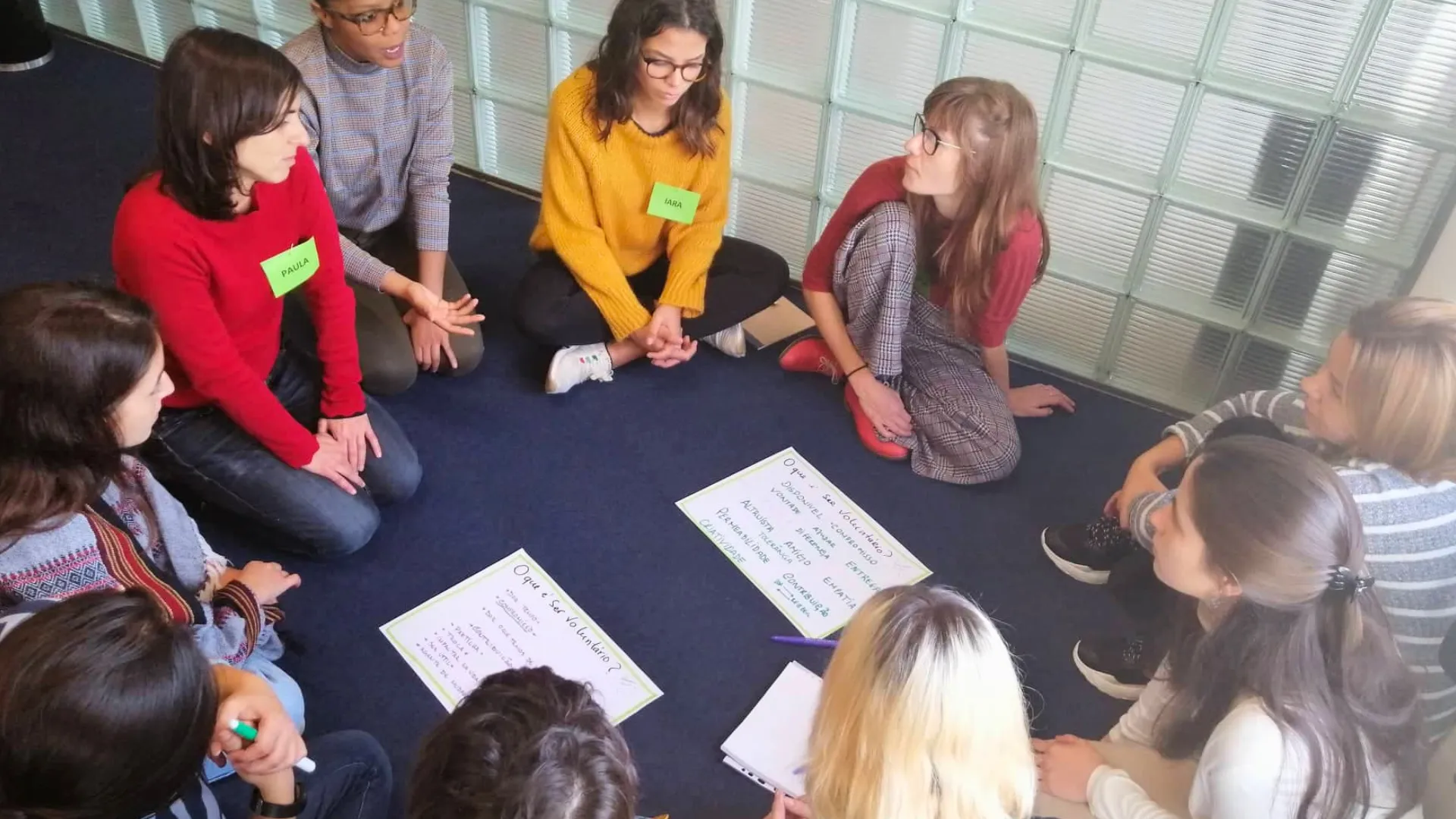
- A1 – Tutor network
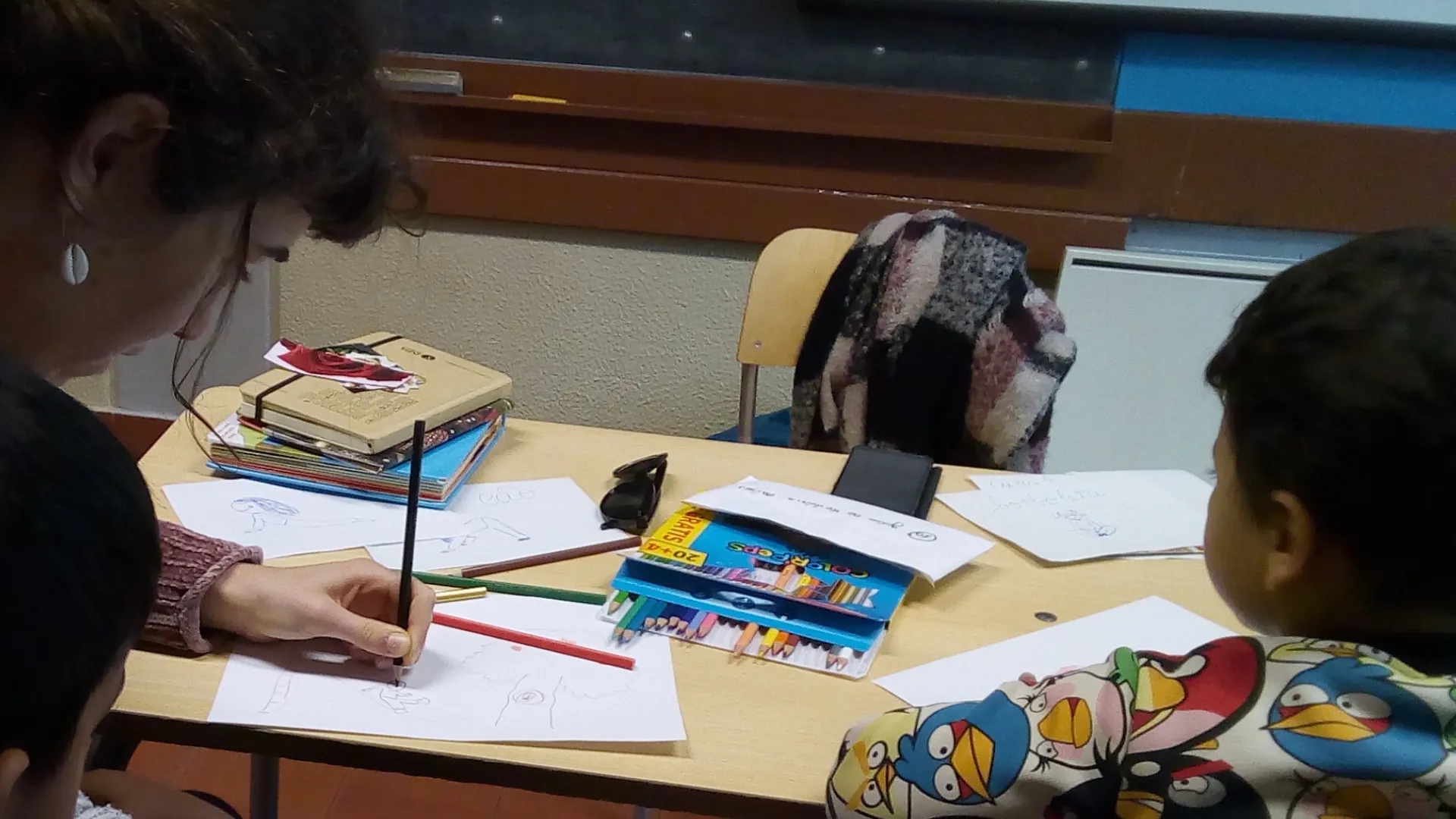
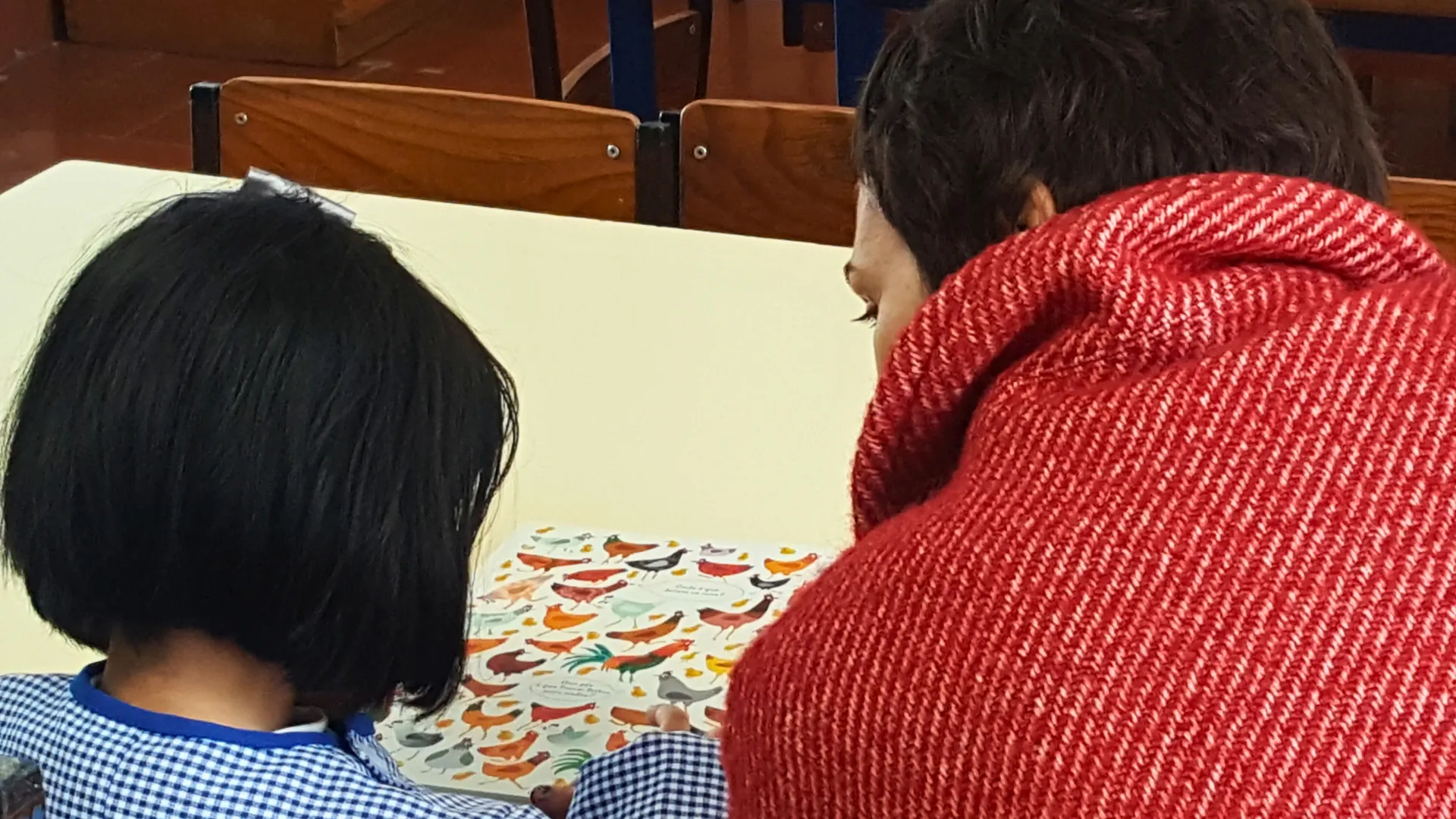
- A2 – Tutoring
- A3 – Teaching resource centre
- A4 – Parental involvement
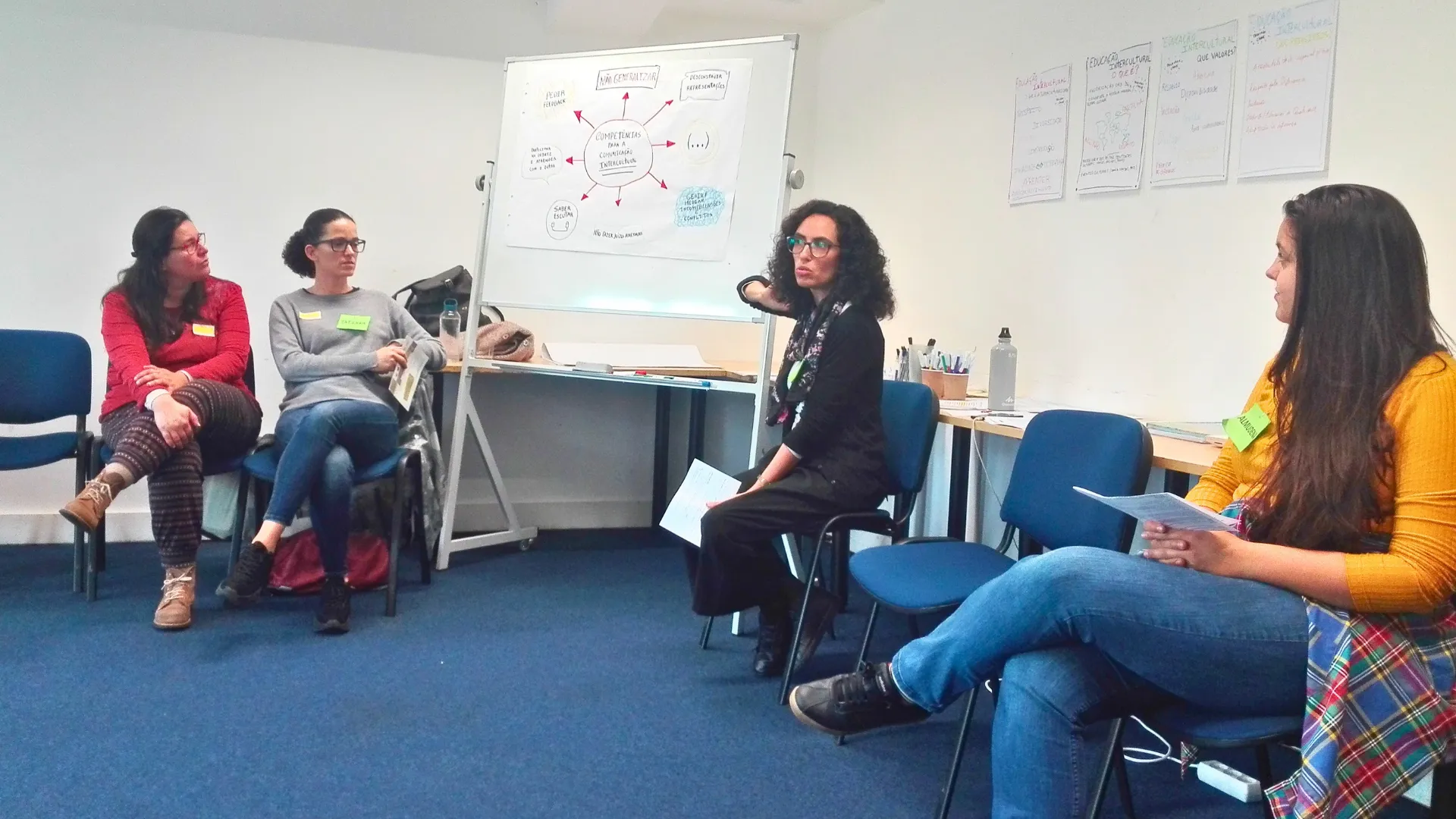
- A5 – Integration and intercultural dialogue