


About us
Over 35 years creating sustainable impact with innovative training, education and integration projects, always serving cities and working towards a more sustainable present and future. Discover who we are and our history.
Mission
Promote social cohesion, integration, and cultural appreciation in the Portuguese-speaking world and in the city of Lisbon.
Vision
Lisbon, a city of cultural and social reference for the construction of a fairer and more sustainable world.
Values
Valuing multicultural integration. Commitment. Transparency.
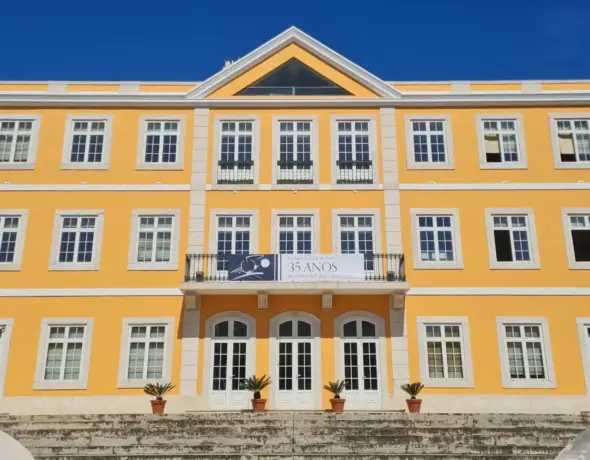
From Past to Present: Lisbon City Foundation
The City of Lisbon Foundation arose from the initiative of engineer Nuno Krus Abecasis and the civic commitment of twenty-three prominent figures, who accepted the task of building, promoting and publicising the city, its links with Portugal and other cities around the world, making it, increasingly a large and open centre for socialising and personal fulfilment, bringing together all speakers of the language of Camões, not only through expression, but also through the deep humanitarian feelings shared and manifested by all.
Three decades of commitment to a better future
“This Foundation relies on your understanding and assistance, on your spirit of citizenship, on your sense that it is necessary to build without delay a better world, where people are happier and where they do not live in fear of the destruction of the Universe. It was your sense of urgency to build humanity that gave us the means to take on such great, historic, national and humanitarian responsibilities. We will do everything we can to bring it to fruition […]”
From the outset, we have believed that changing the world begins with caring for the city and its people.
Three decades later, we continue on this path, with the same purpose.
Main historical milestones of the City of Lisbon Foundation
-
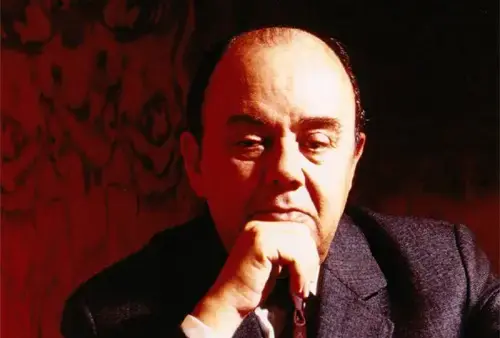 1989
1989Establishment of the Lisbon City Foundation. First President: Nuno Krus Abecasis (1929–1999). He was a civil engineer, politician, and visionary dedicated to the city of Lisbon, leaving a legacy of public service, urban innovation, and commitment to the community.
-
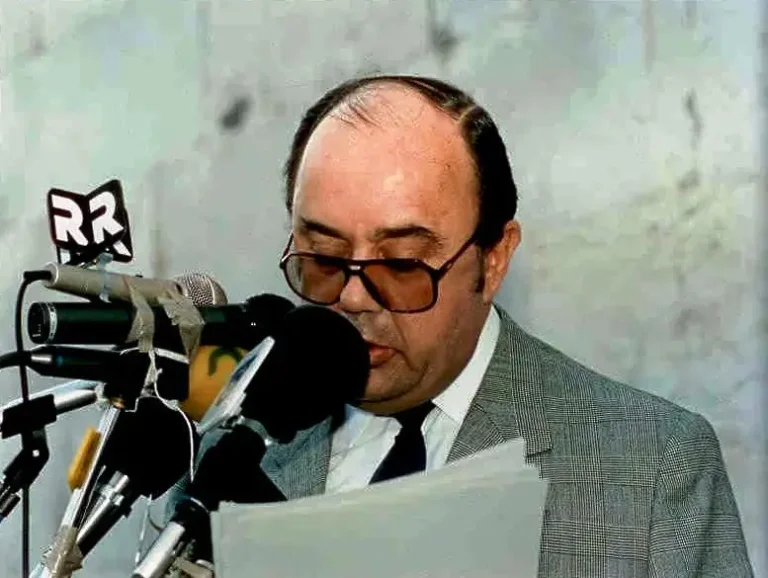 1989
1989Public presentation of FCL: Fundação Cidade de Lisboa was inaugurated on 20 June 1989, at a formal ceremony in Lisbon attended by the President of the Republic, the Cardinal Patriarch, the Prime Minister and other prominent figures. The event was led by its founder, Nuno Krus Abecasis.
-
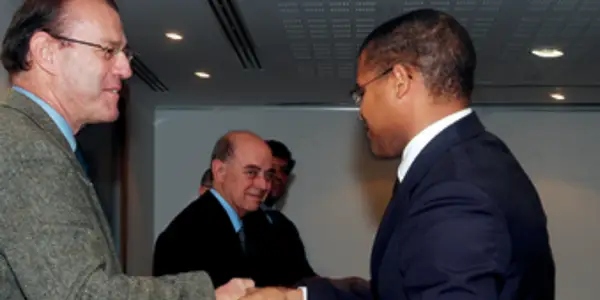 1990
1990Start of the University College of Cooperation programme.
-
 1990
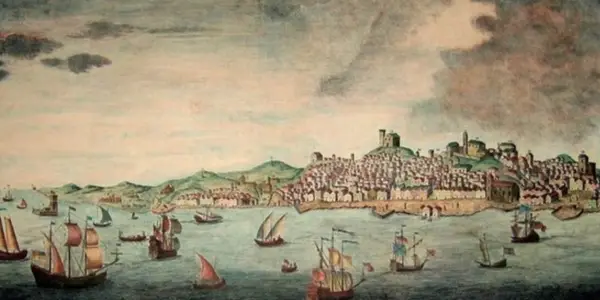
1990First acquisitions for the City of Lisbon Foundation’s collection of engravings.
-
 1990
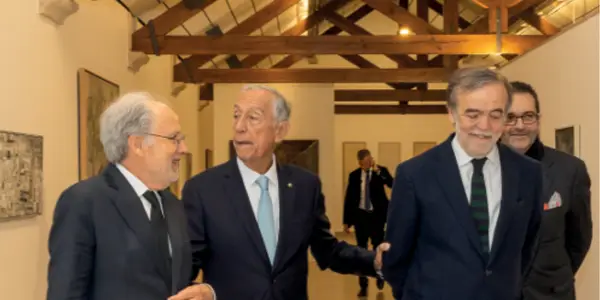
1990Protocol with the Árpád Szenes-Vieira da Silva Foundation.
-
 1991
1991Protocol with the Vianna da Motta International Music Festival.
-
 1991
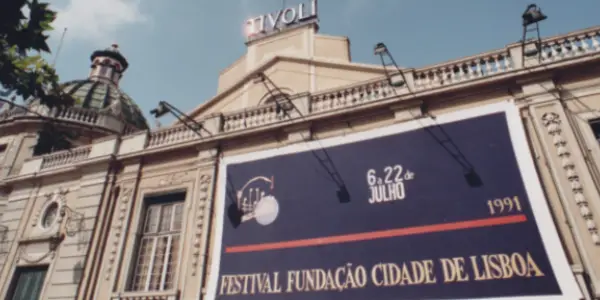
1991Lisbon City Foundation Music Festival.
-
 1991
1991Start of the City of Lisbon Foundation Editorial Project.
-
 1991
1991Lusíada Space Business Forum.
-
 1992
1992Start of the João Barata painting prize, with editions until 2006.
-
 1992
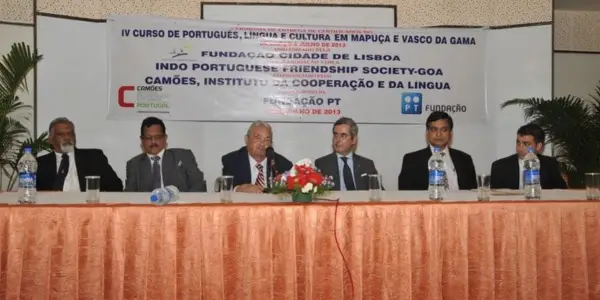
1992Start of Portuguese language and culture courses in Goa, with editions until 2015.
-
 1993
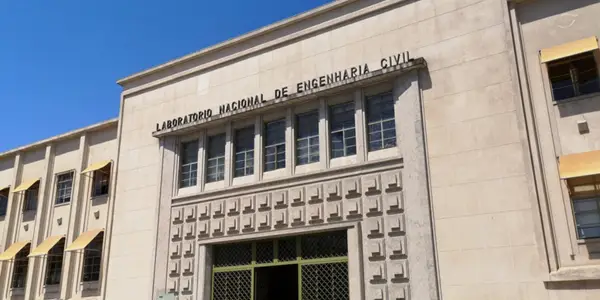
1993Start of the agreement with LNEC for the awarding of scholarships to engineers, with editions until 2001.
-
 1999
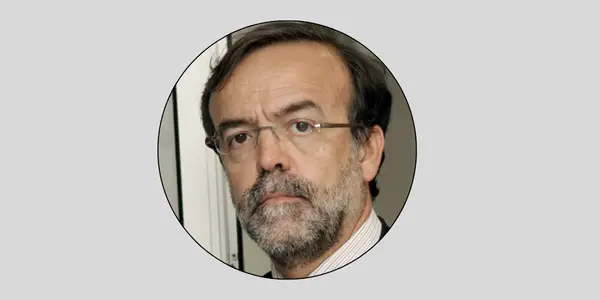
1999Inauguration of the 2nd President: João Côrrea Nunes.
-
 2000
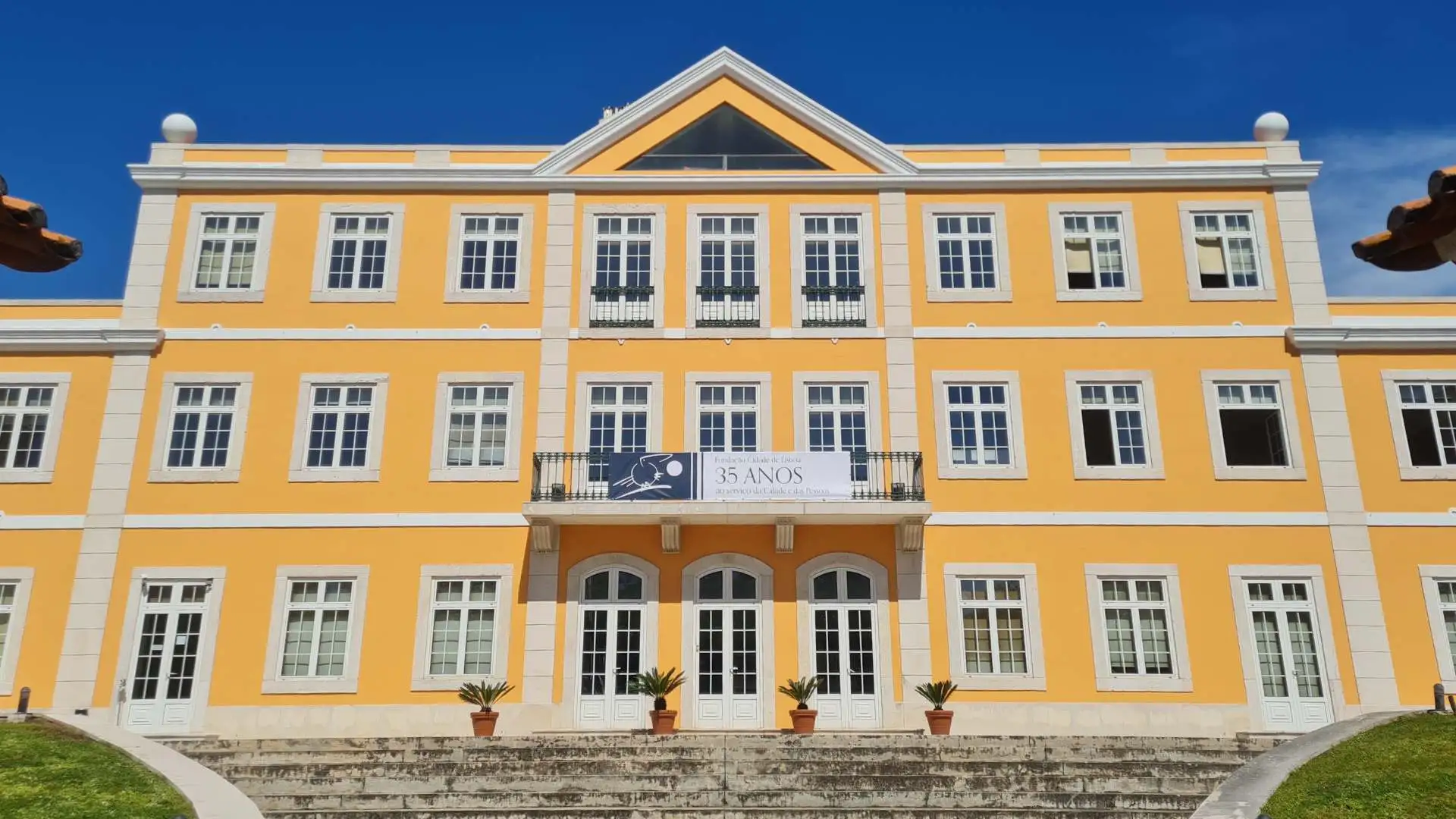
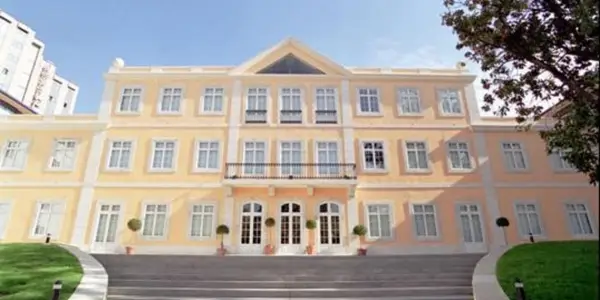
2000Inauguration of the new FCL headquarters building.
-
 2000
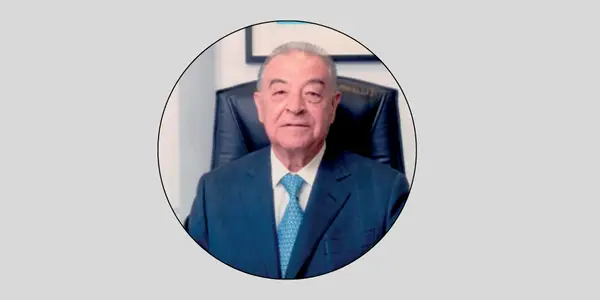
2000Inauguration of the third President: Álvaro Pinto Correia.
-
 2007
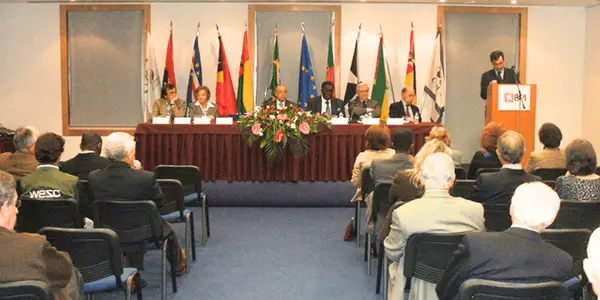
2007Conference cycles I, II, and III, from 2007 to 2011.
-
 2010
2010Certification with training entity – DGERT.
-
 2010
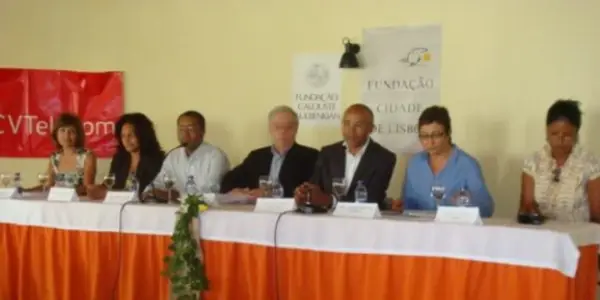
2010Formar no Feminino Project in Cape Verde, Editions I and II, in 2010 and 2011.
-
 2013
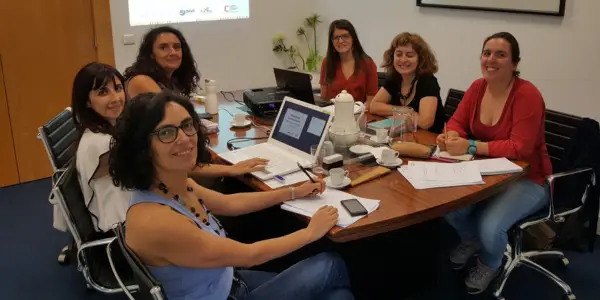
2013Creation of the projects department.
-
 2014
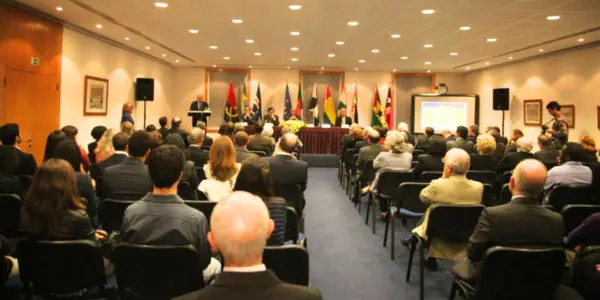
2014Celebration of the 25th anniversary of the City of Lisbon Foundation.
-
 2014
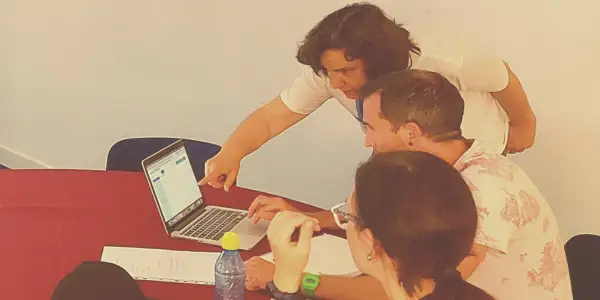
2014Launch of the Local Center for Migrant Integration Support.
-
 2015
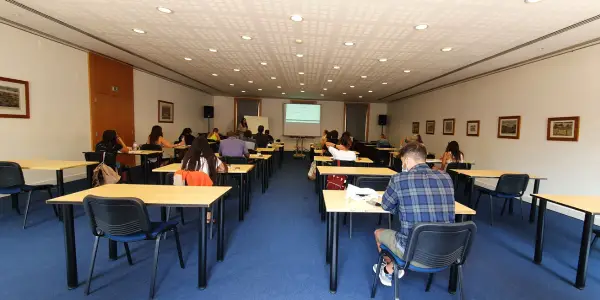
2015First edition of the Passport to Citizenship project.
-
 2015
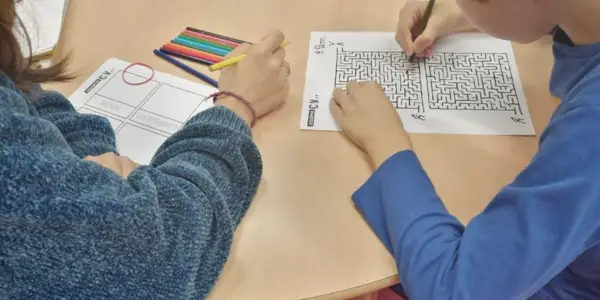
2015Start of the Academia CV.pt project: empowering and valuing in Portuguese.
-
 2017
20171st edition of the School for Citizenship project, for the rights of all.
-
 2017
2017Development Dictionary Project: Everyone counts for global citizenship.
-
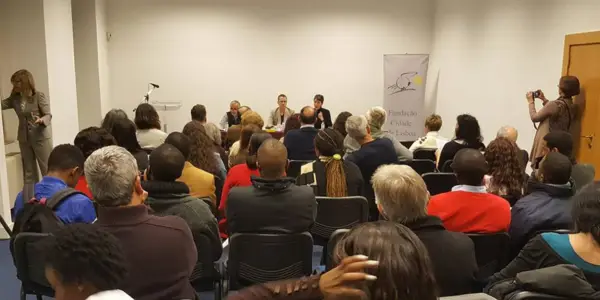 2017
2017Big Ideas in Lisbon conferences.
-
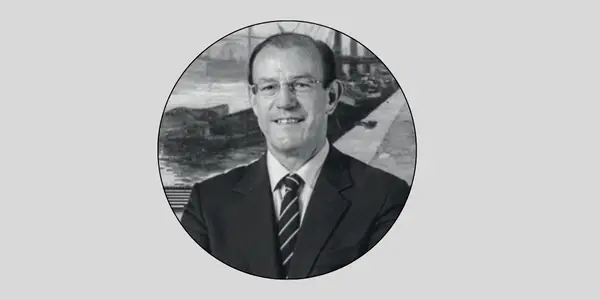 2018
2018Inauguration of the 4th President of FCL: António Carmona Rodrigues. Civil Engineer and Doctor of Environmental Engineering (UNL), Professor of Hydraulics and Water Resources Management. He was President of the Portuguese Water Resources Association, Minister of Public Works, Transport, and Housing, and Mayor of Lisbon. In 2024, he was appointed by the Government to chair the Board of Directors of AdP – Águas de Portugal. Since 2018, he has been curator and president of the City of Lisbon Foundation, continuing his mission of service to the city.
-
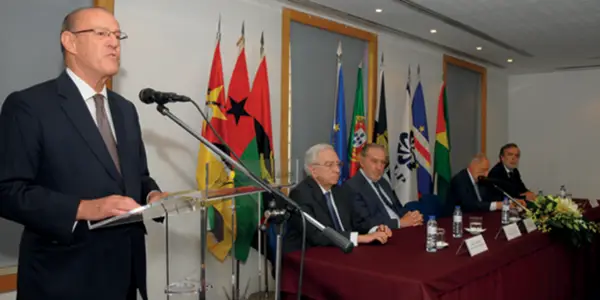 2019
2019Celebration of the 30th anniversary of the City of Lisbon Foundation
-
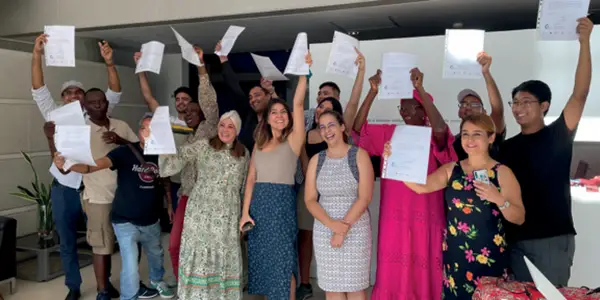 2020
2020Start of the Puxar pela Língua project: learning and communicating in Portuguese.
-
 2020
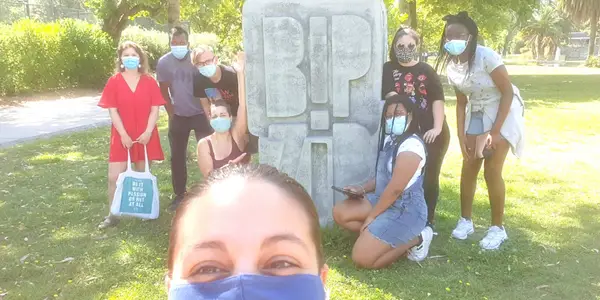
2020Tod@s ON Project: socio-educational support in crisis situations.
-
 2021
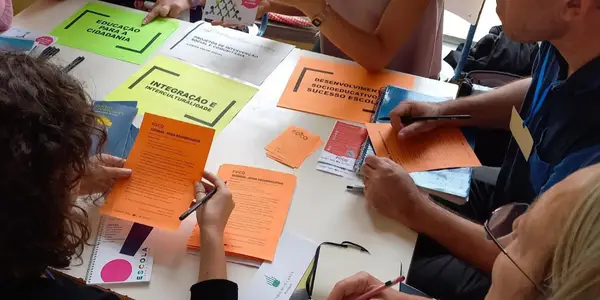
2021Focus on Inclusion Project.
-
 2022
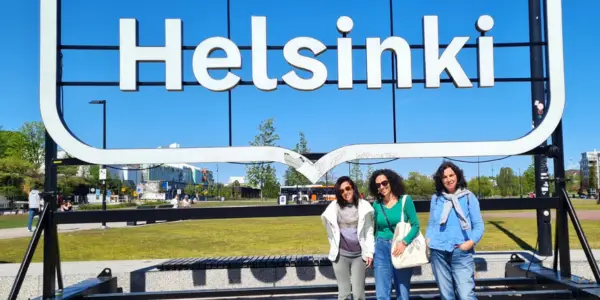
2022AprendEU: FCL in Europe. Training courses in Finland, Italy, Belgium, Spain and Prague.
-
 2022
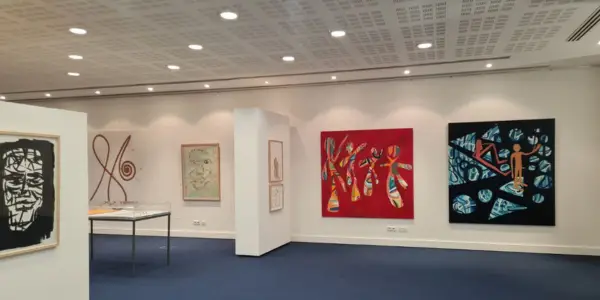
2022Exhibitions by Gonçalo Malato, Gilda Carmona and José Carlos Trindade.
-
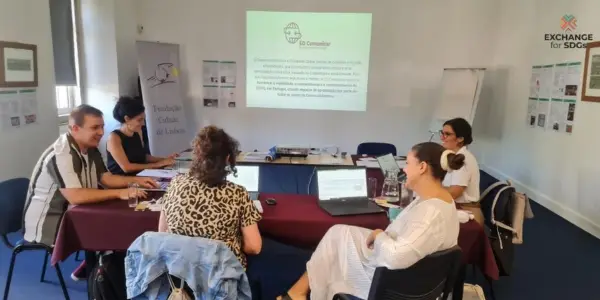 2023
2023European project Exchange for SDGs in Portugal and Spain.
-
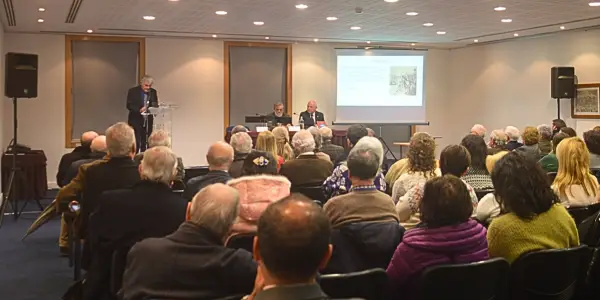 2023
2023FCL Poentes Olisiponenses conference cycle.
-
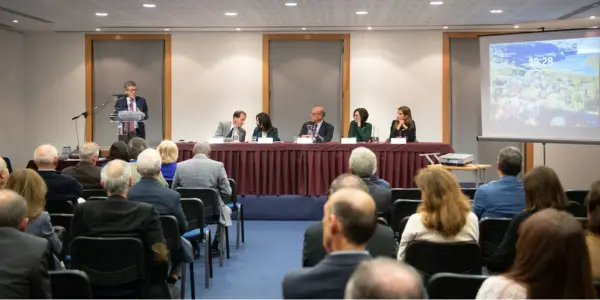 2023
2023FCL conference cycle – Lisbon at the crossroads of sustainability.
About the Lisbon City Foundation
"In fact, the Foundation proposes to provide effective assistance in researching, studying and deepening understanding of this unique cultural reality that is Lisbon, shaped around human dignity as the centre and justification of all efforts to promote development, understanding and the resulting solidarity among all, so that social justice, the balanced sharing of the world's goods and the joint space for collective and shared enrichment, conditions that are indispensable for peace to be established on Earth and for the future to be contemplated with confidence."
See the original document of the speech given by Nuno Krus Abecasis at the public presentation of the City of Lisbon Foundation.
Corporate bodies, certifications and affiliations
Corporate Bodies
Board of directors:
Prof. António Pedro de Nobre Carmona Rodrigues – Presidente
Prof. Eduardo Romano de Arantes e Oliveira
Dr. João Paulo da Silva Corrêa Nunes
Dr. Duarte Estrade Abecasis
Dr. Alberto Luís Laplaine Fernandes Guimarãis
Term of Office: 2022 to 2025
Board of trustees:
Engº Eugénio Anacoreta Correia – Presidente da Mesa
Dr. Duarte Estrade Abecasis
Dr. Nuno Ferreira Castela Abecasis
Dra. Maria Manuela Martins Vieira de Almeida
Dr. Carlos Miguel Gomes Fernandes Fontão de Carvalho
Dr. José Ribeiro e Castro
Prof. Augusto Manuel Nogueira Gomes Correia
Eng.º Joaquim José Capa Horta Correia
Eng.º Miguel Anacoreta Correia
Dr. Alípio Pereira Dias
Dra. Maria Guida de Freitas Faria
Dr. António José de Castro Bagão Félix
Dr. Eduardo Carrega Marçal Grilo
Dr. Alberto Luís Laplaine Fernandes Guimarães
Dra. Maria Isabel Torres Baptista Parreira Jonet
Padre Dr. Vítor José Melícias Lopes
Dr. Guilherme d’Oliveira Martins
Dr. João Paulo da Silva Corrêa Nunes
Prof. Eduardo Romano de Arantes e Oliveira
Prof. António Pedro de Nobre Carmona Rodrigues
Engº Fernando Ferreira Santo
Dr. João Barroso Soares
Dr. António José Chrystêllo Tavares
Dra. Maria Dalila Araújo Teixeira
Sole tax officer:
Dr. José Duarte Assunção Dias – ROC
Public Utility Institution
The Lisbon City Foundation is a public utility institution, as declared in the Official Gazette, Series II, No. 166, of 21 July 1989.
Articles of Association
Its statutes were published in the Official Gazette, Series III, No. 104, dated 6 May 1989, and subsequent amendments were published in the Official Gazette, Series II, No. 66, dated 19 March 1997.
Patronage Law
Its activities have been recognised as being of outstanding cultural interest by the Ministry of Culture and are therefore covered by the Patronage Law.
ONGD
It is a Non-Governmental Development Organisation, recognised as such by the Portuguese Institute for Development Support.
Certified Training Organisation
It has been a DGERT-certified training entity since June 2014 (certificate no. 1161/2014).
Representations
She is represented on the Board of Directors and Patrons of the Arpad Szénes-Vieira da Silva Foundation, on the Board of Trustees of the Manuel Cargaleiro Foundation, and is a founding member of the Portugal-Africa Foundation.
Affiliations
He is a member of the Portuguese Centre for Foundations, the European Foundation Centre and the Platform of Portuguese NGDOs.
Honorary President
Its Honorary President is His Excellency the President of the Republic.
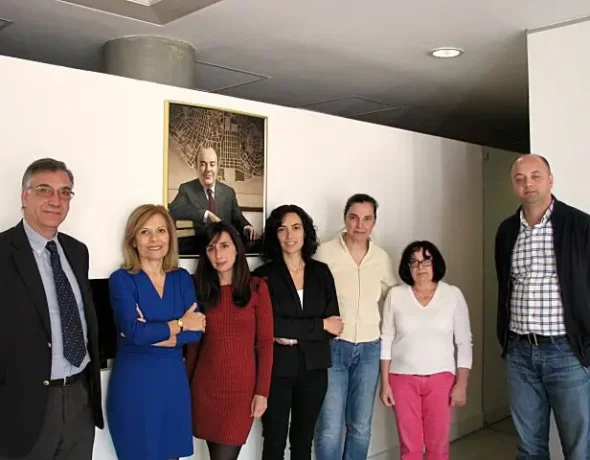
Contributors
The Lisbon City Foundation currently has seven permanent employees, who make up the permanent team responsible for ensuring the continuity of its activities. These professionals cover the institution’s various areas of intervention, contributing in a stable and dedicated manner to the fulfilment of its mission. Through their daily work, they promote the quality of the services provided and support the development of cultural, social and educational projects, reinforcing the Foundation’s commitment to the community.
Partnerships and Protocols
Partnerships
AIMA – Agência para a Integração, Migrações e Asilo
AIDGLOBAL – Acção e Integração para o Desenvolvimento Global
Agrupamento de Escolas de Alvalade
Agrupamento de Escolas de Santa Clara
Agrupamento de Escolas do Alto do Lumiar
Agrupamento de Escolas Patrício Prazeres
Agrupamento de Escolas Pintor Almada Negreiros
Agrupamento de Escolas Rainha Dona Leonor
APS Polygonal – Itália
Associação Projeto Ponte
Associação ADRA Portugal
Associação de Moradores do PER 11
Associação Humanidades: Humanus
Associação Renovar a Mouraria
Banco de voluntariado da CML
Câmara Municipal de Lisboa
Câmara Municipal de Loures
Câmara Municipal de Varsóvia, Departamento de Educação – Polónia
Casa do Brasil de Lisboa
CEIPES ETS, Centro Internazionale per la Promozione dell’Educazione e lo Sviluppo, Palermo – Itália
Centro Social e Paroquial do Campo Grande
Centro de Formação Professor João Soares
CEPAC – Centro Padre Alves Correia
Clan
Comunidade Hindu de Portugal
Czepczyński Family Foundation – Polónia
DECO – Gabinete de Finanças Saudáveis
Clinicas Diaverum
Equivalence
Escola Superior de Educação de Lisboa
Faculdade de Psicologia da Universidade de Lisboa
FAMI – Fundo para o Asilo, a Migração e a Integração
FEC – Fundação Fé e Cooperação
FGS – Fundação Gonçalo da Silveira
Fundação Calouste Gulbenkian
Fondazione ISMU ETS, Milão – Itália
GAT – Grupo de Ativistas em Tratamentos
Gebalis
GEYC – Group of the European Youth for Change – Roménia
IFILNOVA – FCS, Universidade Nova de Lisboa
Instituto Marques de Valle Flôr
Instituto Superior de Ciências Sociais e Políticas
Insituto Superior Técnico
Jerónimo Martins – Agroalimentar
JRS Portugal – Serviço Jesuíta aos Refugiados
Junta de Freguesia de Alvalade
Junta de Freguesia de Santa Clara
Junta de Freguesia de São Vicente
La Casa nel Parco, Génova – Itália
Laiks Jauniesiem – Letónia
Lusitânia Seguros
Neo Sapiens – Espanha
Next Generation Italy – Itália
NIALP- Associação Intercultural Lisboa
OIM – Organização Internacional para as Migrações
Par- Respostas Sociais
Programa CERV (Cidadãos, Igualdade, Direitos e Valores) – Ponto de Contacto Nacional
Quinta Alegre – um teatro em cada bairro
Raízes – Associação de Apoio à Criança e ao Jovem
Rato ADCC – Associação para a Divulgação Cultural e Científica
Rede para a Empregabilidade Barreiro Moita
Santa Casa da Misericórdia de Lisboa
Solidariedade Imigrante – Associação para a Defesa dos Direitos dos Imigrantes
TESE – Associação para o Desenvolvimento
The League of Extraordinary Minds Foundation (LEM) – Polónia
Udruga Suradnici u učenju – Croácia
Unidade Local de Saúde de São José
Universidade Lusófona

Faculdade de Letras da Universidade de Lisboa
This protocol, which aims to promote and disseminate the Portuguese language through joint actions, remains in force. In 2024, under this protocol, a Goan student will be able to attend an intensive course in Portuguese language and culture at the Department of Portuguese Language.

Lisbon City Council
The protocols signed under the BIP-ZIP programme were continued, with sustainability actions under the Good Practices – CV.pt Academy Schools Network project, the Lisbon Municipal Plan for the Integration of Migrants, and the new project approved this year, Todos IN – Social inclusion through education in a post-pandemic context.

Order of Engineers
Signed in 2021, this protocol formalised the intention of the two institutions to collaborate in the joint organisation of initiatives that contribute to the prestige of Portuguese engineering and the promotion of the cultural heritage of the city of Lisbon.
Lisbon School of Education
Signed in 2021, this protocol aims to develop cooperation actions of mutual interest, namely joint organisation and participation in initiatives in the areas of education, training, pedagogy, culture, promotion of the Portuguese language and integration and inclusion of vulnerable groups, as well as the hosting of curricular internships.

Portuguese Association of Private Historical Archives (APAHP)
Signed in 2023, the protocol with the Portuguese Association of Private Historical Archives (APAHP) establishes the joint implementation of cultural and historical research initiatives through lectures, seminars, and other events. This protocol also provides for the temporary storage of historical documents belonging to APAHP members at the Foundation’s premises so that they can be processed by specialised technicians and consulted by researchers.
Participation in collaborative networks

Portugal/Africa Foundation
The Foundation has been monitoring the progress of ongoing projects in its capacity as a co-founding member and is represented at the Founders' Meeting by its President.
Learn More
Portuguese Platform of NGDOs
The Lisbon City Foundation was represented at the General Assemblies of the NGDO Platform and participated in various information and training activities promoted by the platform.
Learn More
CPLP - Advisory Observer
The Lisbon City Foundation has had Consultative Observer status with the CPLP since July 2021 and is a member of the Thematic Commission for the Promotion of the Portuguese Language.
Learn More
Portuguese Centre for Foundations
The Lisbon City Foundation is a member of CPF, which represents the foundation sector in Portugal, actively participating in various initiatives and events promoted by the institution.
Learn More
DLBC Lisbon Network
FCL is part of this network, established in 2015, which aims to build a local development strategy that addresses the city's vulnerabilities and challenges.
Learn More
Social Networks of the Municipality of Lisbon
We are part of the Lisbon Social Network, the Local Social Action Council, and the Social Committees of the Parishes of Alvalade (CSFA) and Santa Clara (CSFSC).
Learn More
Municipal Council for Interculturality
Since 2014, FCL has been part of CMIC – Municipal Council for Interculturality and Citizenship, an advisory body of the Municipality of Lisbon.
Learn More
Municipal Plans for the Integration of Migrants
FCL has also participated in the Municipal Plans for the Integration of Migrants in the City of Lisbon. It is part of the Monitoring Committee for the IV PMIML.
Learn More