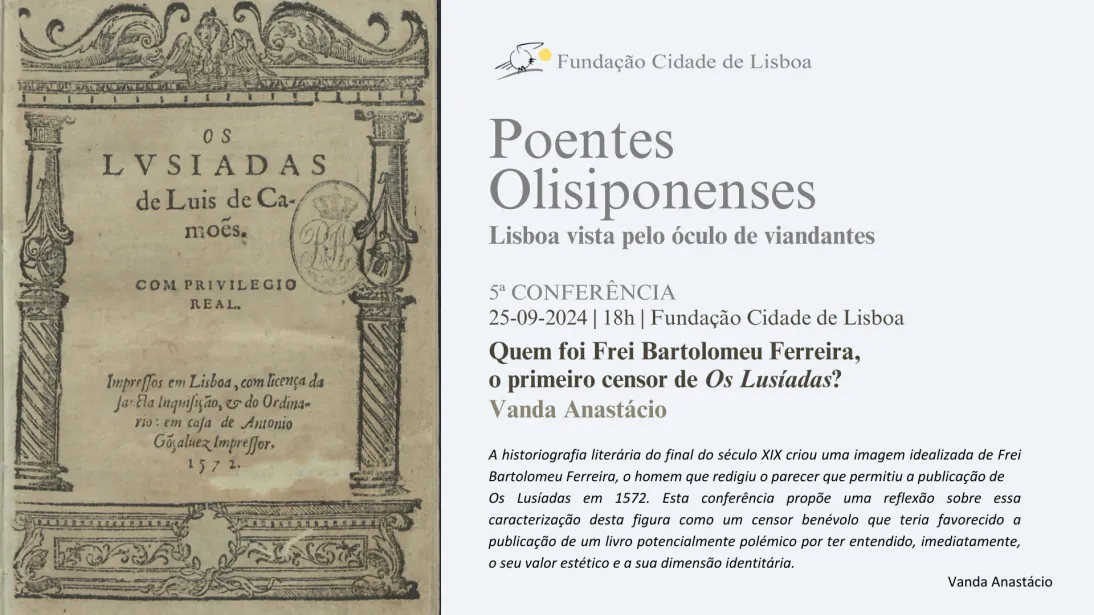
Literary historiography of the late 19th century created an idealised image of Friar Bartolomeu Ferreira, the man who drafted the report that allowed the publication of
Os Lusíadas in 1572. This lecture offers a reflection on this characterisation of him as a benevolent censor who is said to have favoured the publication of a potentially controversial book because he immediately understood its aesthetic value and its significance for national identity.
Vanda Anastácio
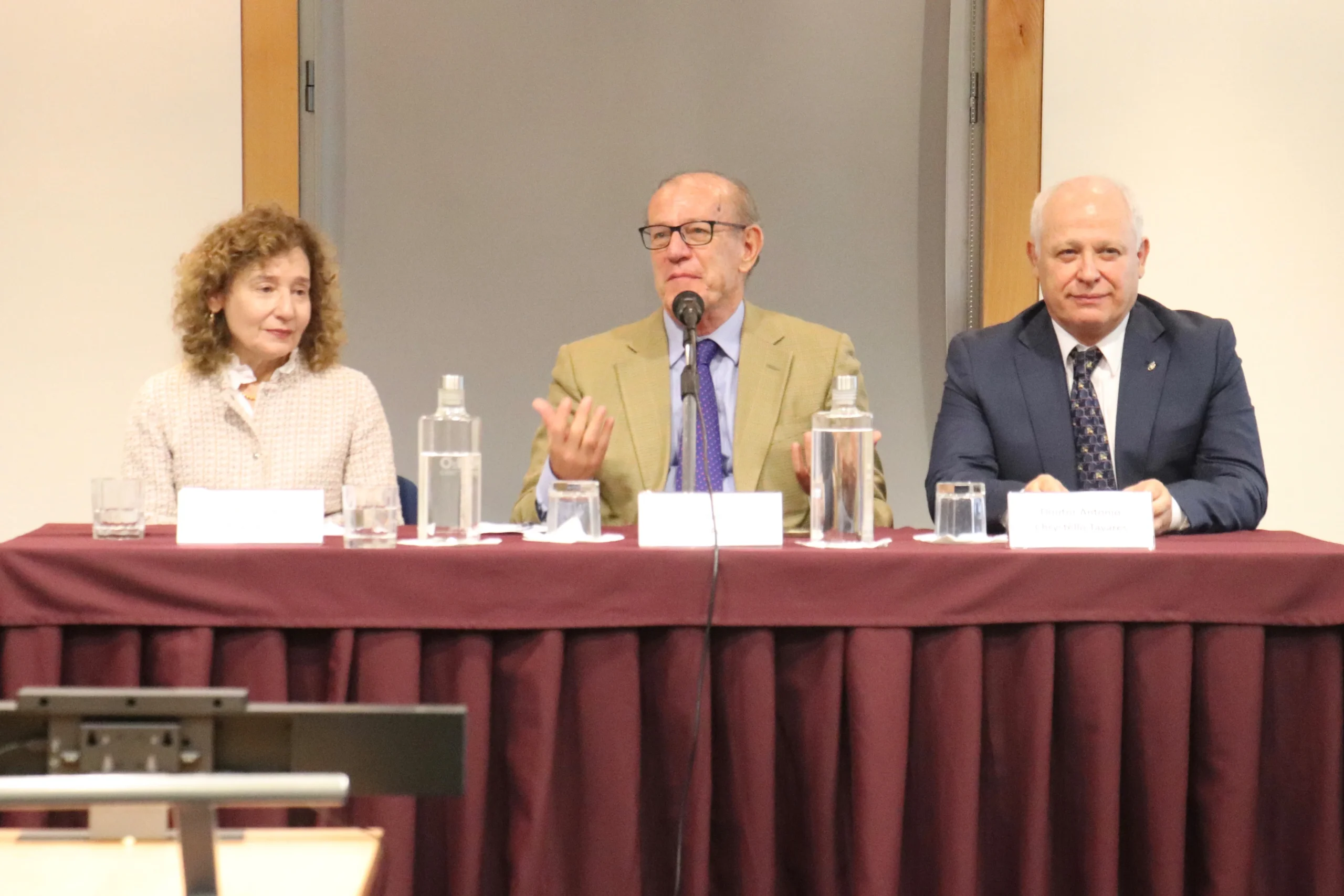
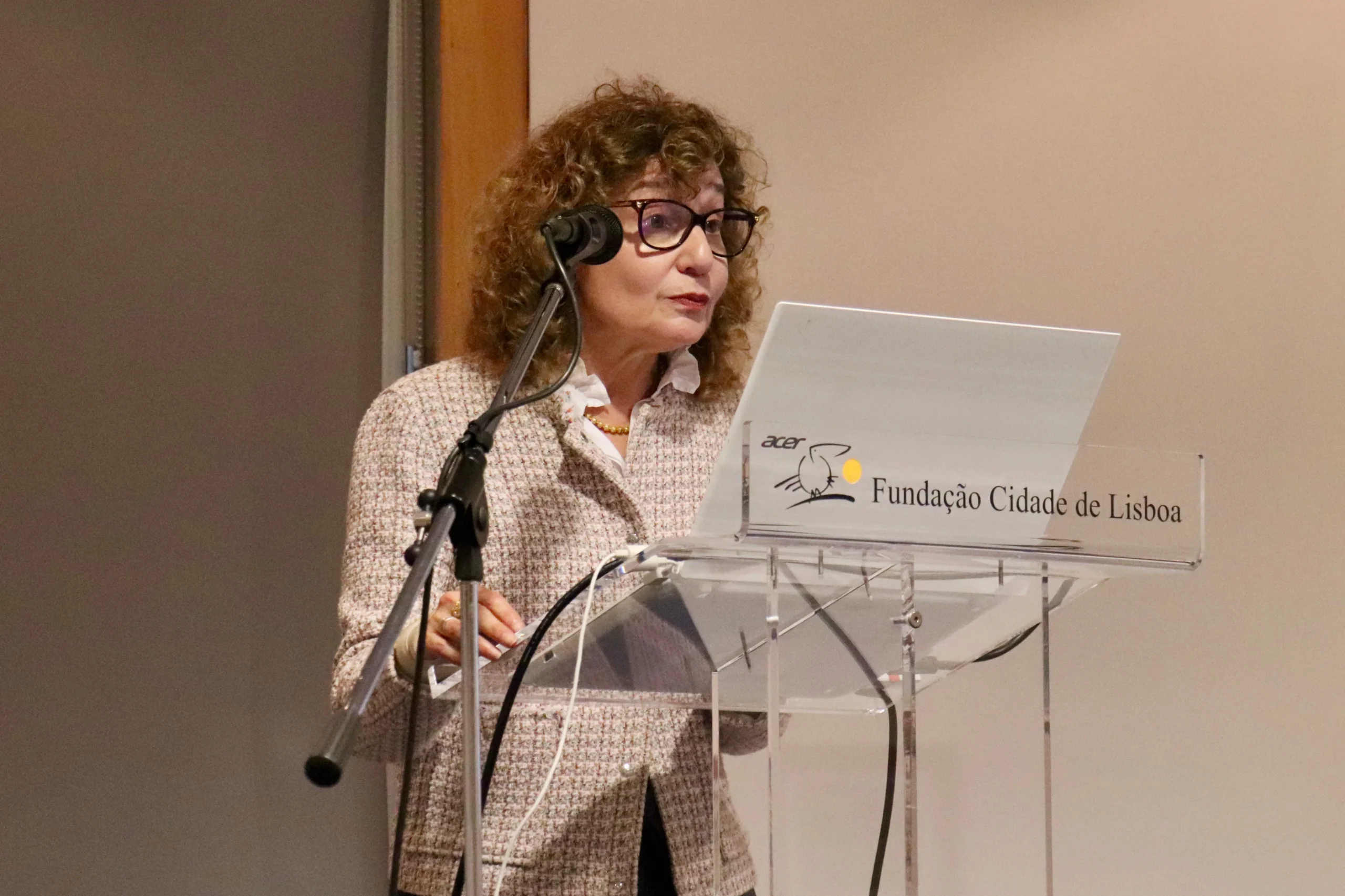
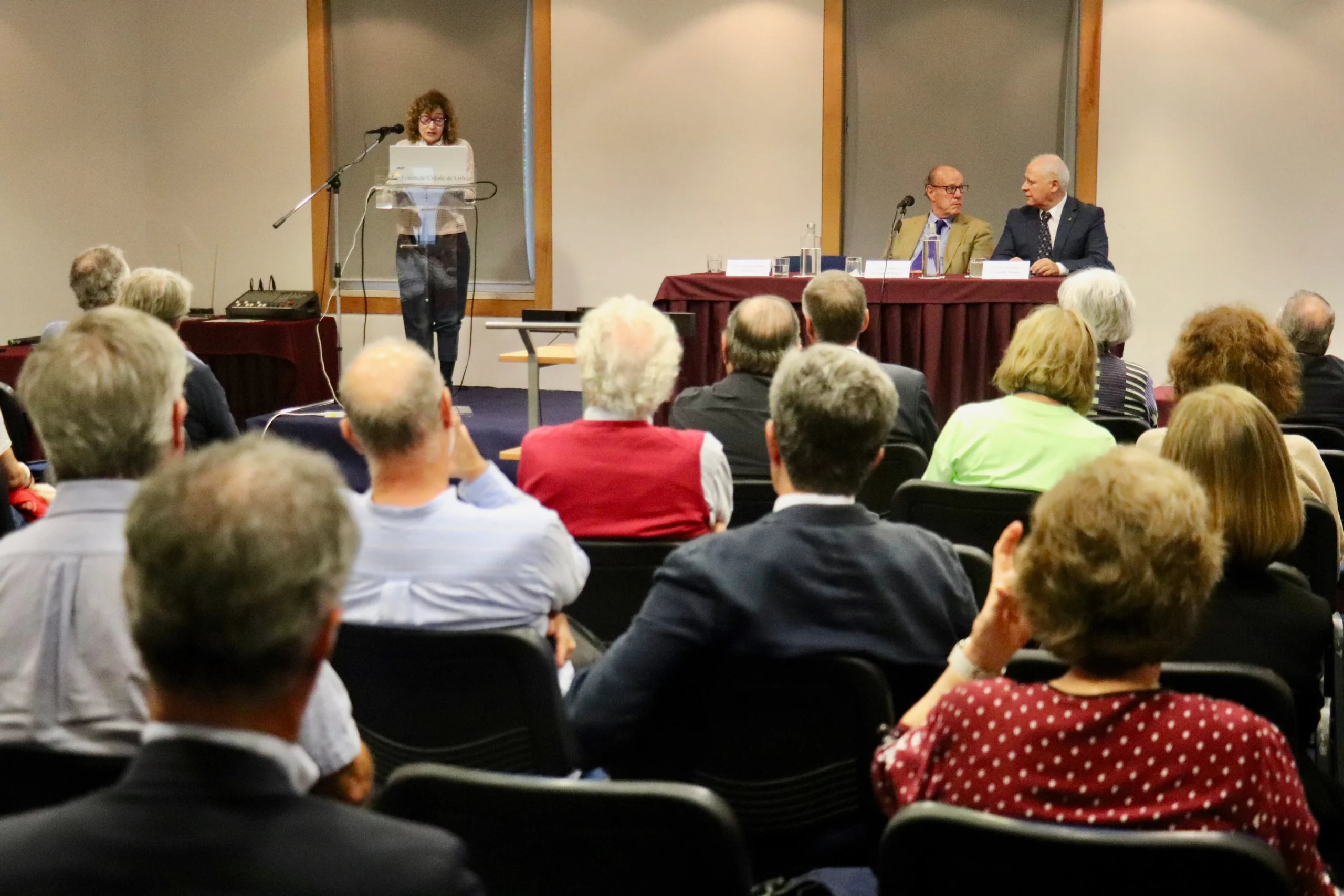
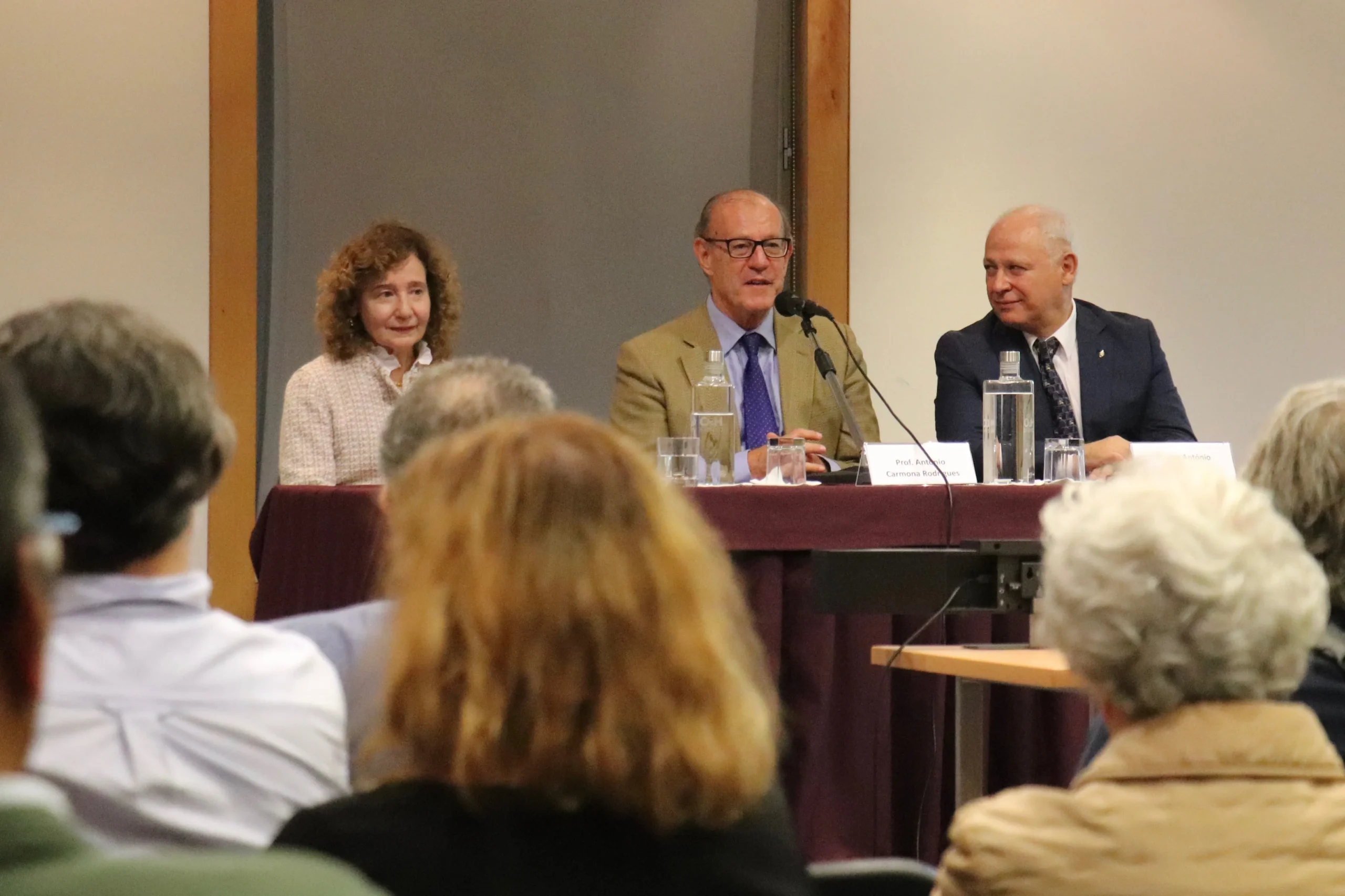
The third lecture in this series took place on 25 September, featuring the professor and writer Dr Vanda Anastácio, as this year marks the fifth centenary of the birth of Luís Vaz de Camões.
The author recalled the legend of Bartolomeu Ferreira, the benevolent, erudite censor with refined literary taste, who, upon reading the epic text, immediately recognised its importance and value, allowing it to be published free from the censorship imposed at the time by the Inquisition. She noted that over time other interpretations of this legend had crystallised around this 16th-century ‘book reviewer’, leaving the speaker to wonder whether this censor was really any different from the others appointed by the Inquisition, a question which raised many further issues.