


Conferences and Exhibitions
The Lisbon City Foundation resumes its Conference Cycles, dedicated to economic, social, and cultural topics, promoting critical thinking and strategic reflection with experts to discuss current and relevant issues. At the same time, it supports temporary exhibitions that value diverse artistic expressions and generations, encouraging dialogue between disciplines.
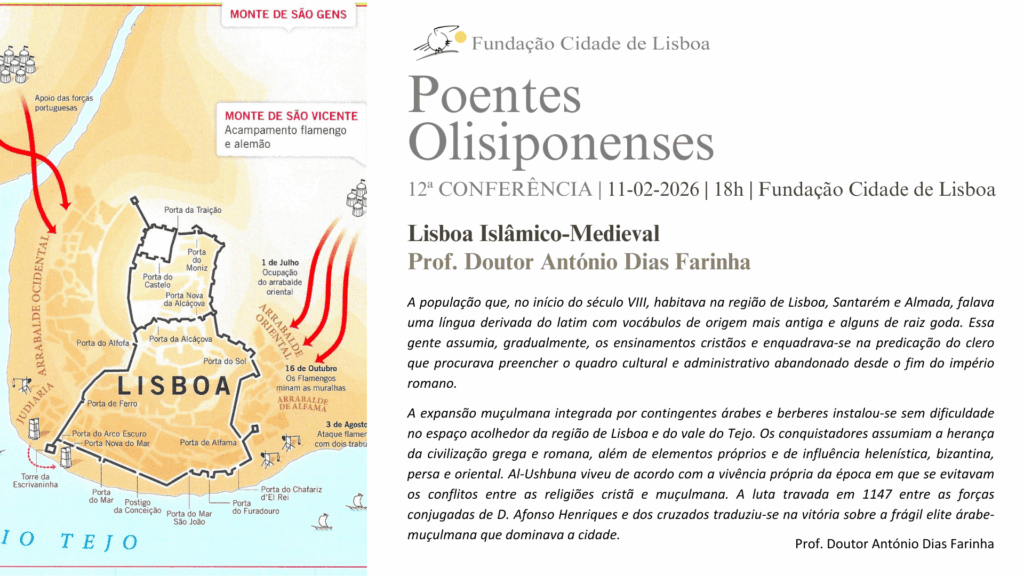
Lisboa Islâmico-Medieval – António Dias Farinha
The Muslim expansion, comprising Arab and Berber forces, settled without difficulty in the welcoming region of Lisbon and the Tagus Valley. The conquerors drew upon the heritage of Greek and Roman civilisation, as well as their own traditions and influences from Hellenistic, Byzantine, Persian and Eastern cultures. Al-Ushbuna lived in accordance with the spirit of the age, when conflicts between the Christian and Muslim faiths were avoided.
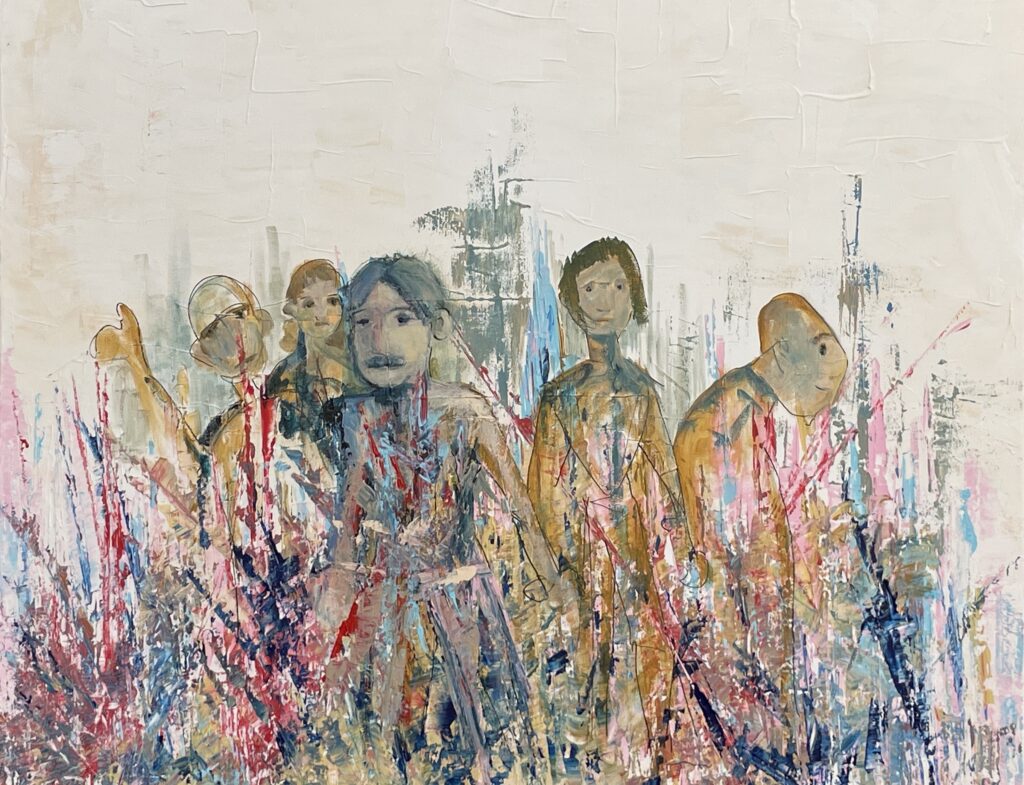
Entre dois Mundos – Pedro Castel’Branco
Paintings by Pedro Castel’Branco that explore the challenges of the modern world, reflecting the search for new paths in the face of today’s unpredictability and transformations.
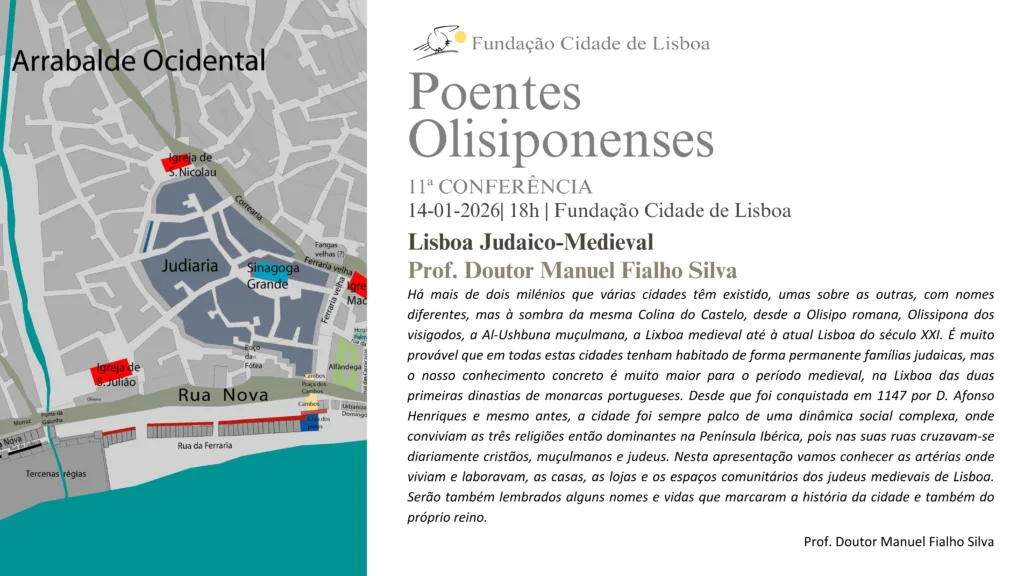
Lisboa Judaico-medieval – Manuel Fialho Silva
Manuel Fialho da Silva, Medieval Jewish Lisbon: For more than two millennia, several cities have existed, one on top of the other, with different names, but in the shadow of the same Castle Hill, from Roman Olisipo, Visigoth Olissipona, Muslim Al-Ushbuna, medieval Lixboa to the current Lisbon of the 21st century. It is very likely that Jewish families have lived permanently in all these cities.
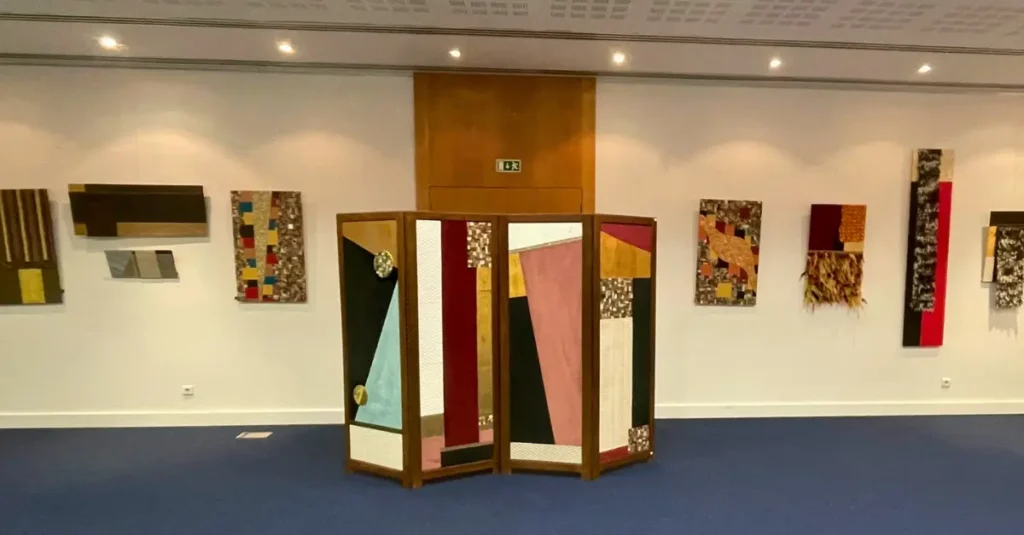
Le Mille e Una Mezzanotte – Paola Mezzanotte
The exhibition ‘Le mille e una Mezzanotte’ by Paola Mezzanotte was held at the Lisbon City Foundation from 4 to 11 December 2025.
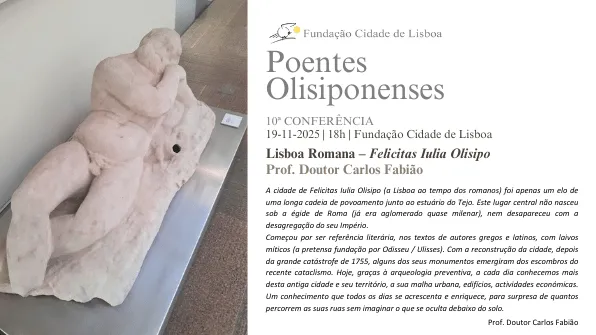
Lisboa Romana: Felicitas Iulia Olisipo – Carlos Fabião
Carlos Fabião, Roman Lisbon – Felicitas Iulia Olisipo: The city of Felicitas Iulia Olisipo (Lisbon in Roman times) was just one link in a long chain of settlements along the Tagus estuary. This central location did not come into being under the aegis of Rome (it was already an almost millennial settlement), nor did it disappear with the collapse of the Roman Empire. It began as a literary reference in the texts of Greek and Latin authors.
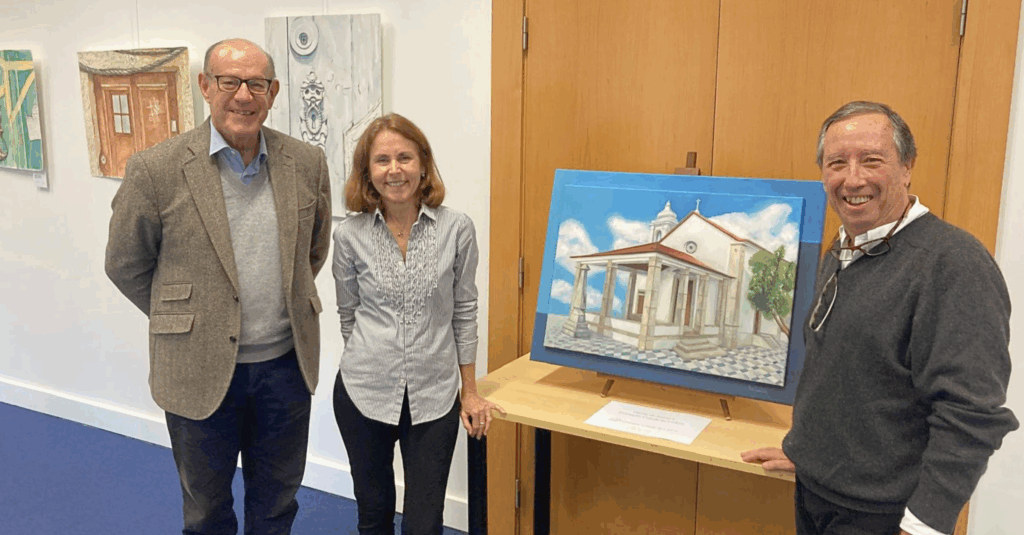
Portas com Estória – Ana Boulain
The exhibition Portas com Estória (Doors with Stories), by Ana Boulain, took place at the Lisbon City Foundation on 14, 15 and 16 November 2025.
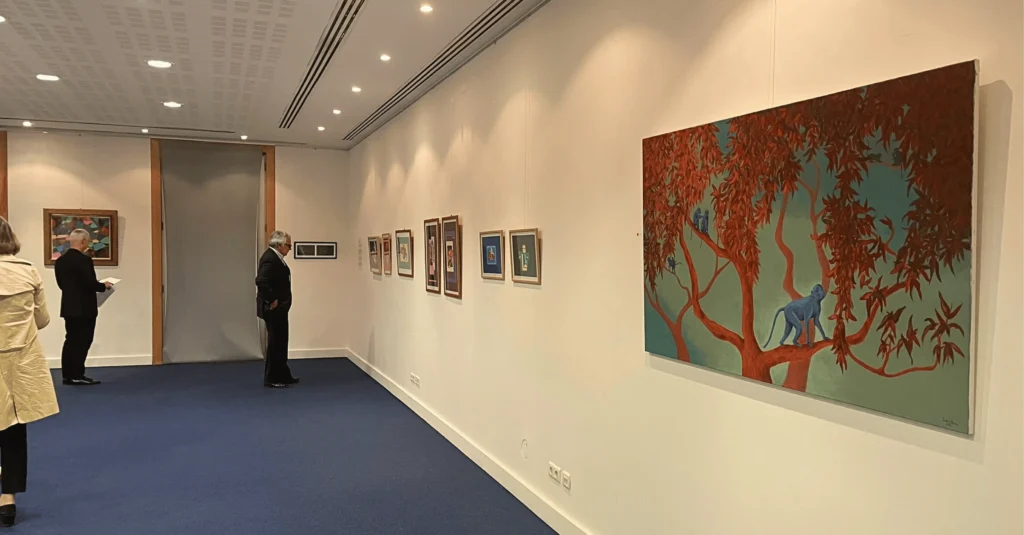
Exposição Coletiva – Ilda Perez, João Corrêa Nunes, Marta Corrêa Nunes e Pedro Torres
The Collective Exhibition was held at the Lisbon City Foundation on 6 and 7 November 2025.
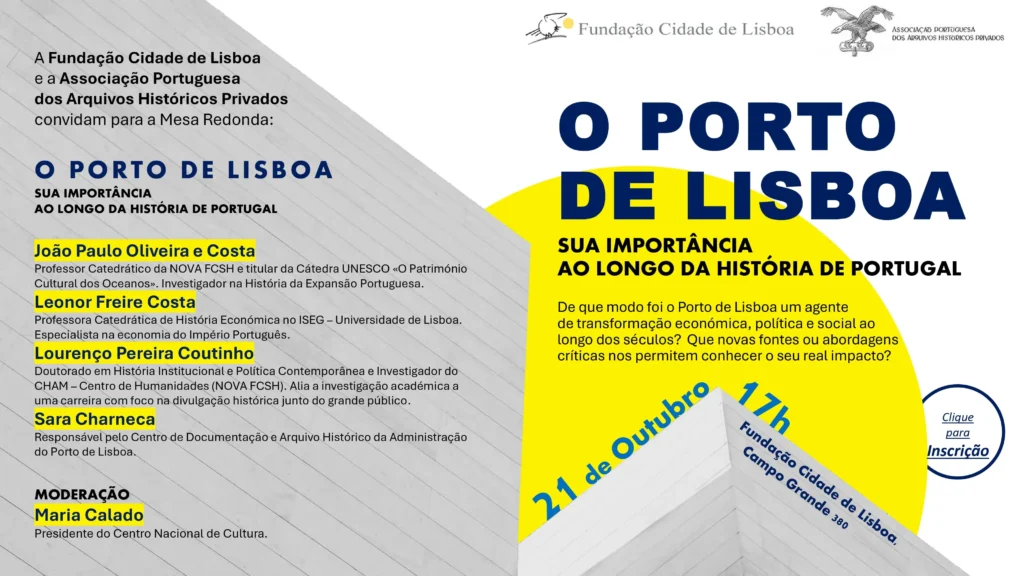
O Porto de Lisboa – sua importância ao longo da história de Portugal – João Paulo Oliveira e Costa, Leonor Freire Costa, Lourenço Pereira Coutinho e Sara Charneca
Co-organised with APAHP, this round table took place on 21 October 2025.
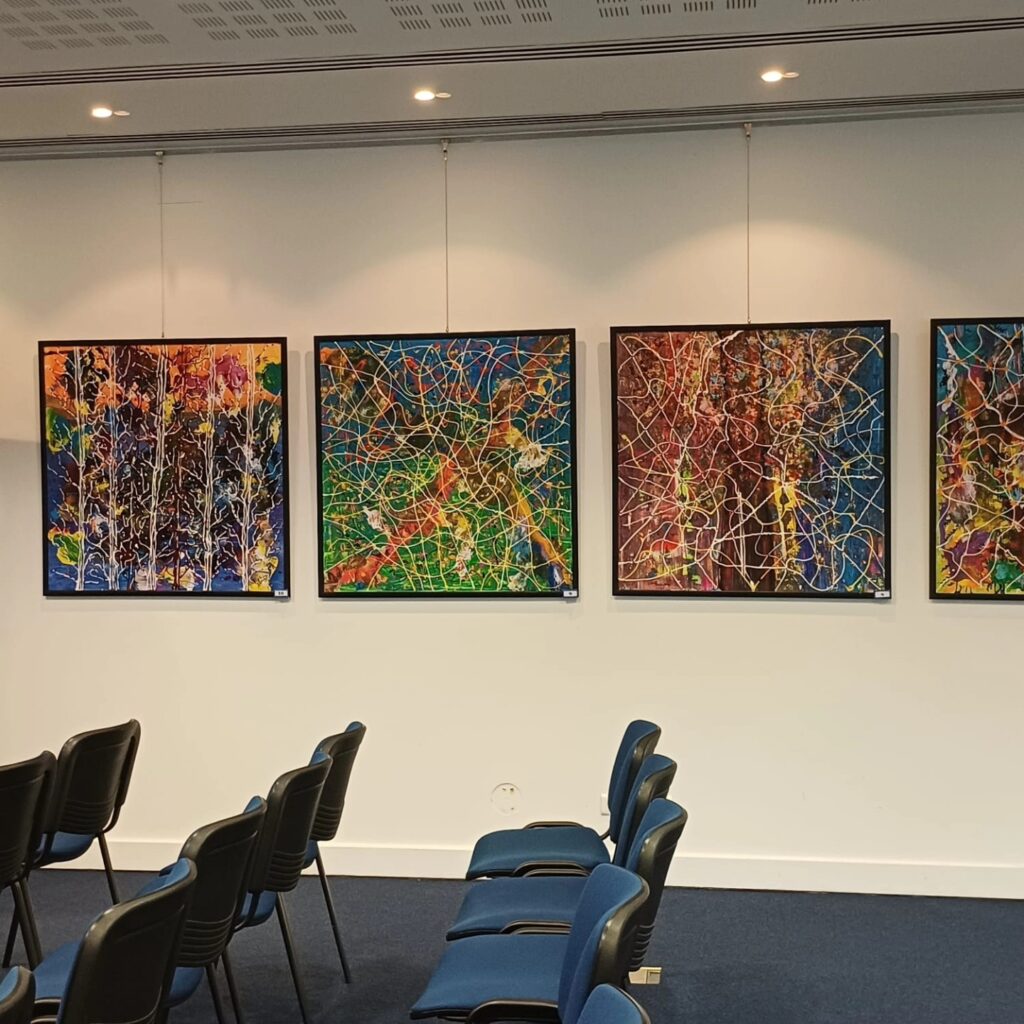
Raízes do Imaginário – Irene Queiroga
On 25 October 2025, at the Fundação Cidade de Lisboa, the writer and painter Irene Queiroga launched her book "Dois Desconhecidos uma Vida" and opened the art exhibition "Raízes do Imaginário".
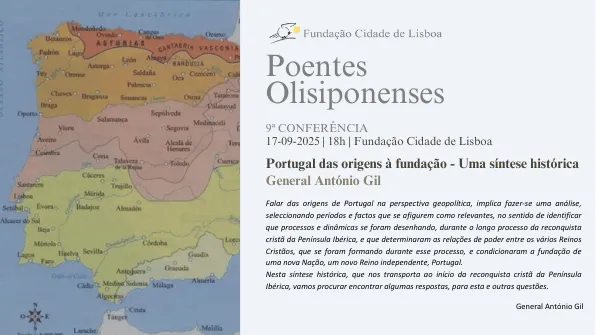
Portugal das origens à fundação – uma síntese histórica – António Gil
António Campos Gil, Portugal from its Origins to its Foundation – A Historical Summary: Discussing the origins of Portugal from a geopolitical perspective involves conducting an analysis, selecting relevant periods and facts, in order to identify the processes and dynamics that took shape during the long process of the Christian reconquest of the Iberian Peninsula, and which determined the power relations between the various Christian kingdoms.
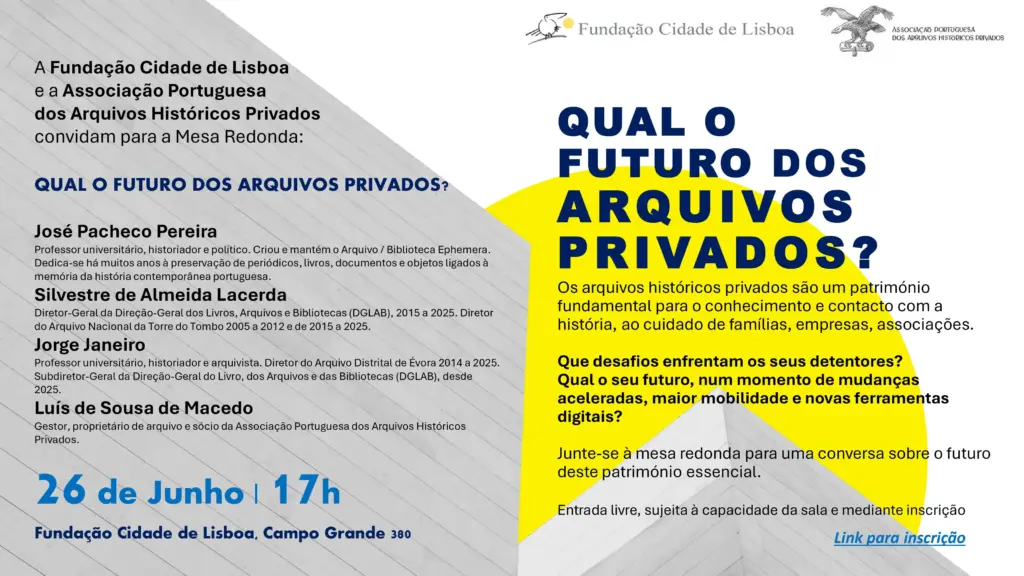
Qual o Futuro dos Arquivos Privados? – José Pacheco Pereira, Silvestre de Almeida Lacerda, Jorge Janeiro e Luís de Sousa de Macedo
The Private historical archives are a fundamental heritage for the knowledge of and contact with history, preserved under the care of families, companies, and associations.
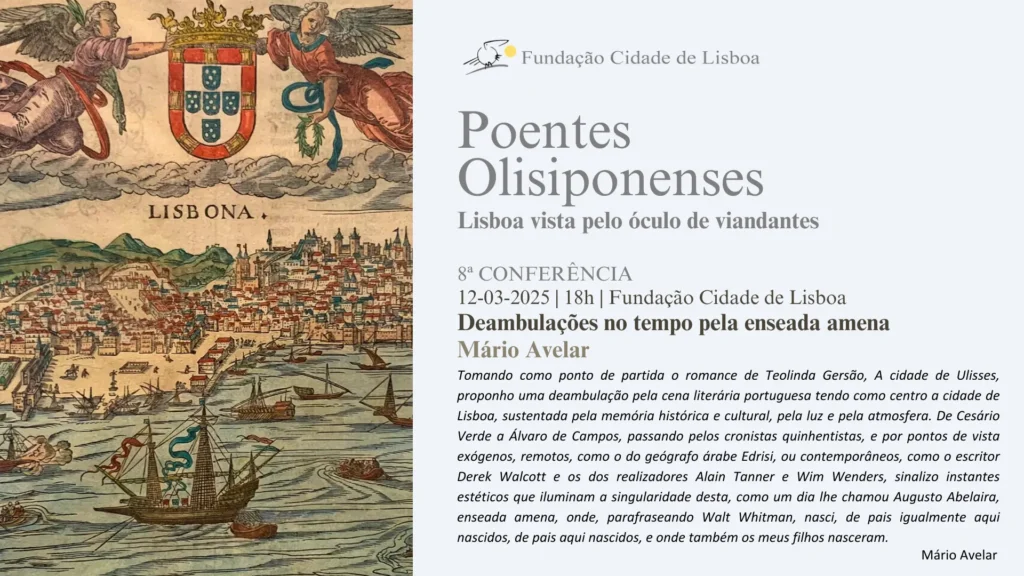
Deambulações no tempo pela enseada amena – Mário Avelar
Mário Avelar, Deambulações no Tempo pela Enseada Amena (Wanderings in Time through Enseada Amena): Taking Teolinda Gersão's novel, A Cidade de Ulisses (The City of Ulysses), as his starting point, the author wandered through the Portuguese literary scene, centred on the city of Lisbon, sustained by historical and cultural memory, light and atmosphere.
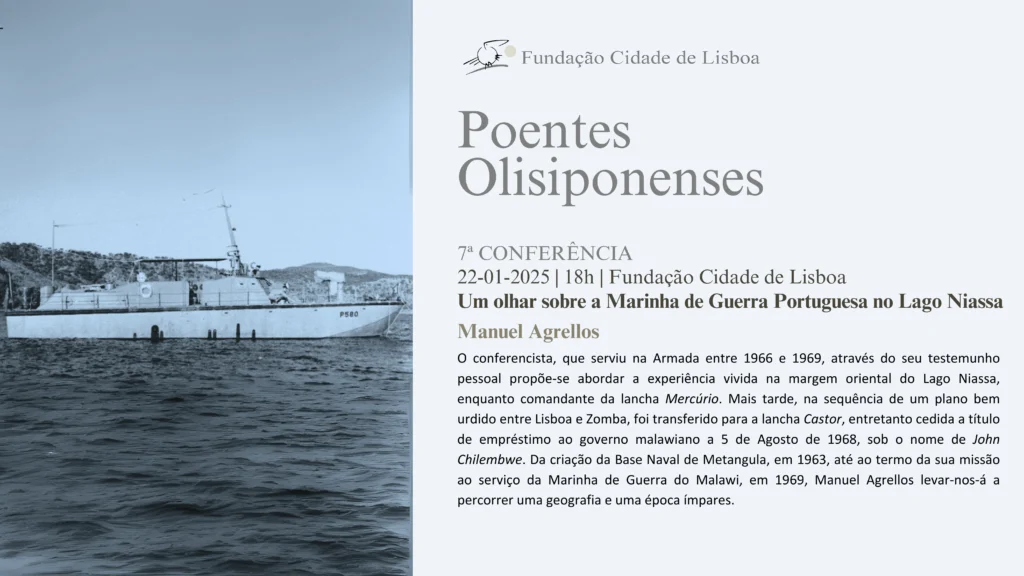
Um olhar sobre a marinha de guerra portuguesa no lago Niassa – Manuel Agrellos
Manuel Agrellos, A Look at the Portuguese Navy on Lake Niassa: Through personal testimony, having served in the Navy between 1966 and 1969, he discussed his experience on the eastern shore of Lake Niassa as commander of the Mercúrio motorboat, travelling through a unique geography and era.
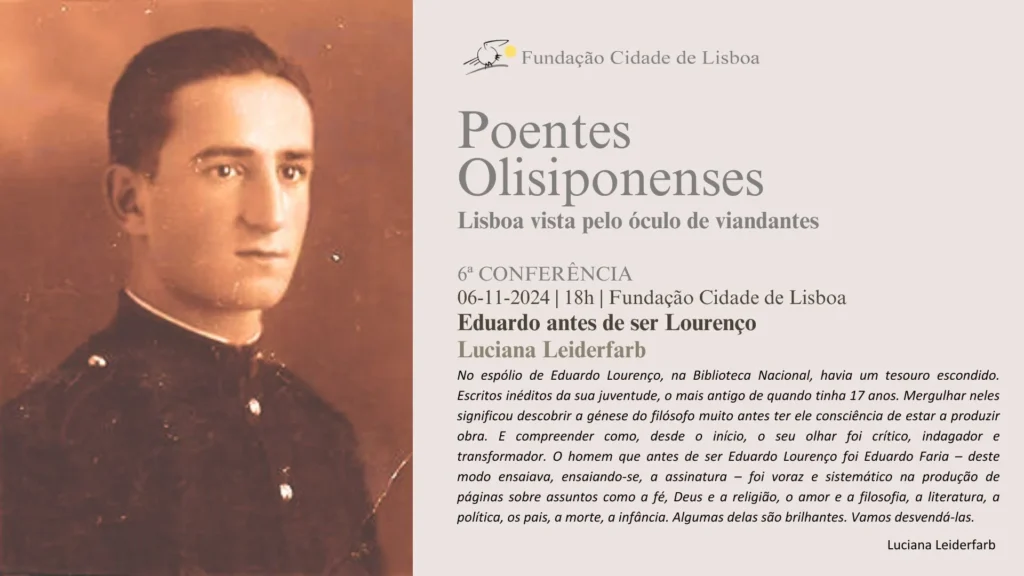
Eduardo antes de ser Lourenço – Luciana Leiderfarb
Luciana Leiderfarb, Eduardo before he was Lourenço: In Eduardo Lourenço's estate, at the National Library, there was a hidden treasure. Unpublished writings from his youth, the oldest dating back to when he was 17. Delving into them meant discovering the genesis of the philosopher long before he was aware that he was producing work. And understanding how, from the beginning, his gaze was critical, inquiring and transformative.
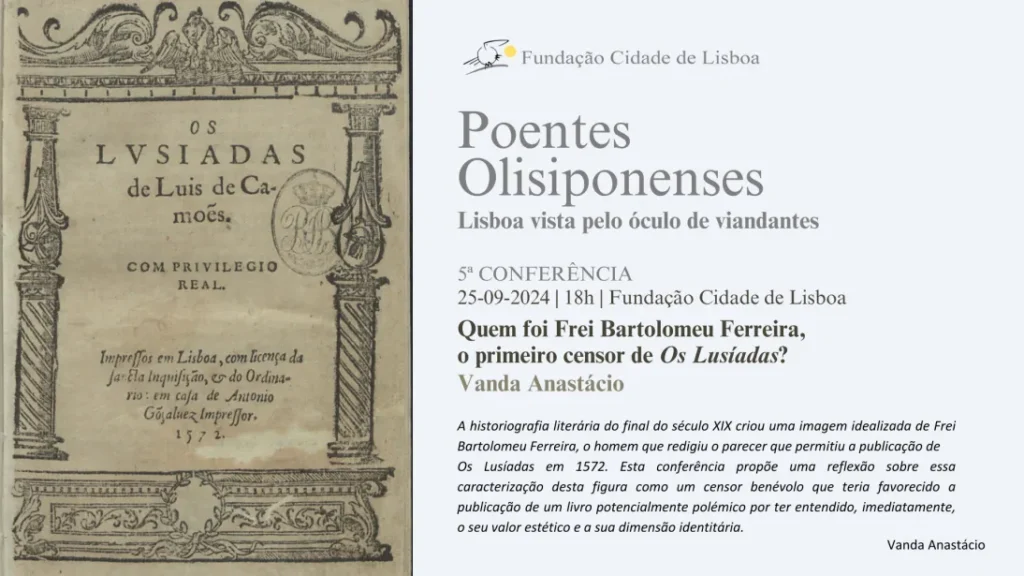
Quem foi Frei Bartolomeu Ferreira, o primeiro censor de Os Lusíadas? – Vanda Anastácio
The third lecture in this series took place on 25 September, featuring the professor and writer Dr Vanda Anastácio, as this year marks the 500th anniversary of the birth of Luís Vaz de Camões.
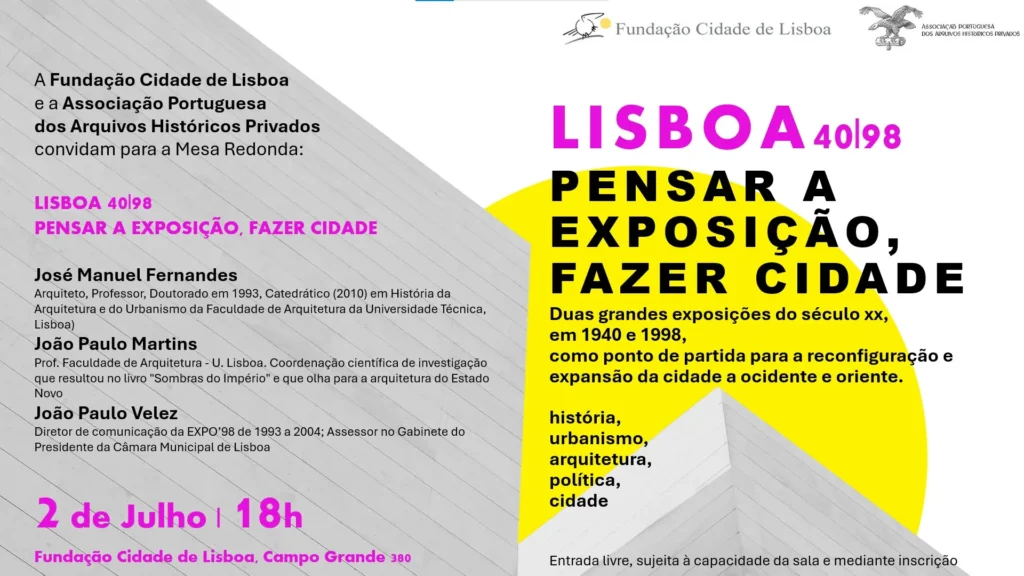
Lisboa 40/98 Pensar a Exposição, Fazer a Cidade – José Manuel Fernandes, João Paulo Martins e João Paulo Velez
Co-organised with APAHP, this round table took place on 27 July 2024.
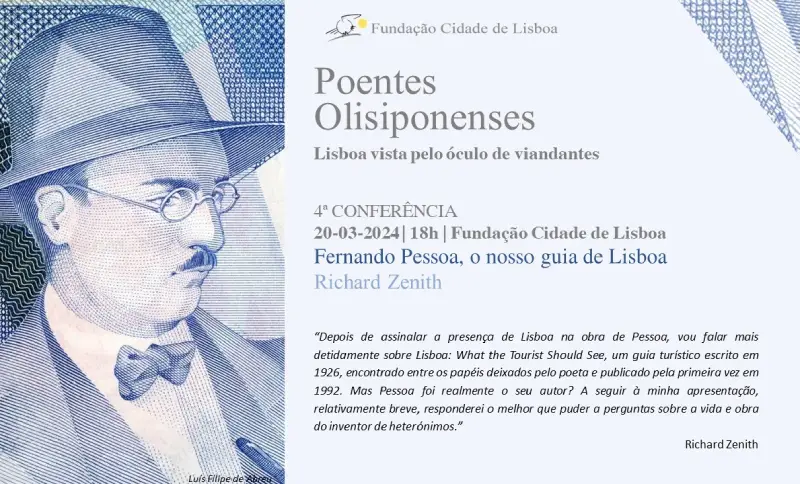
Fernando Pessoa, o nosso guia de Lisboa – Richard Zenith
A travel guide written in 1926, found amongst the papers left by the poet and first published in 1992. But was Pessoa really its author? That was the question posed and answered by the speaker, after highlighting the presence of Lisbon in Pessoa’s work.
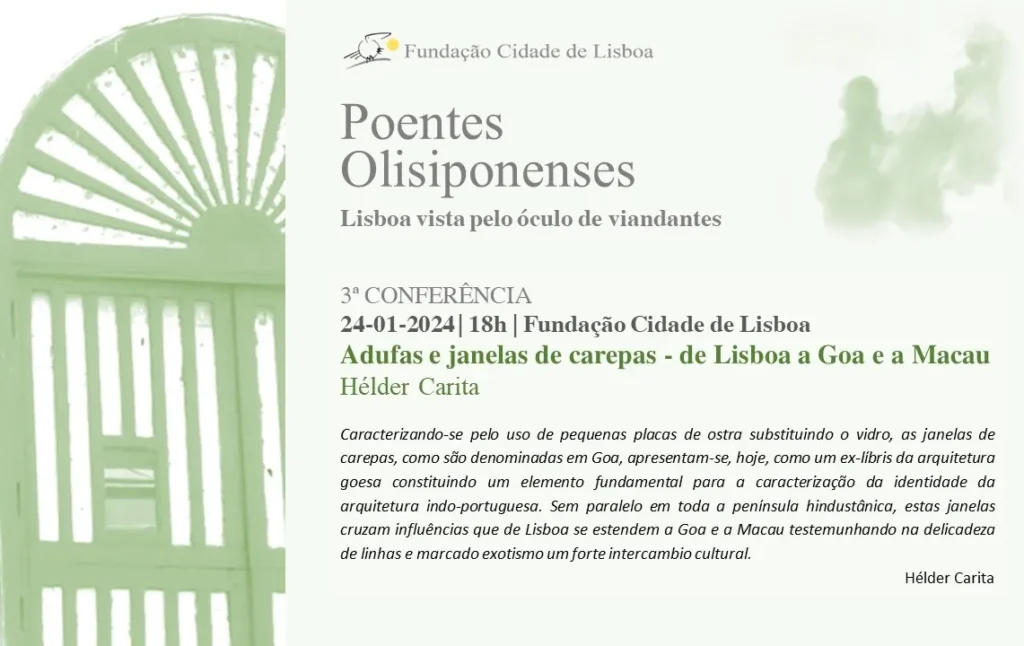
Adufas e janelas Carepas – De Lisboa a Goa e a Macau – Hélder Carita
Prof. Hélder Carita's reflection on carepas windows took place on 24 January 2024.
A crise na habitação as soluções e o Simplex do licenciamento urbano
The third lecture in this series took place on 25 September, featuring the professor and writer Dr Vanda Anastácio, as this year marks the 500th anniversary of the birth of Luís Vaz de Camões.
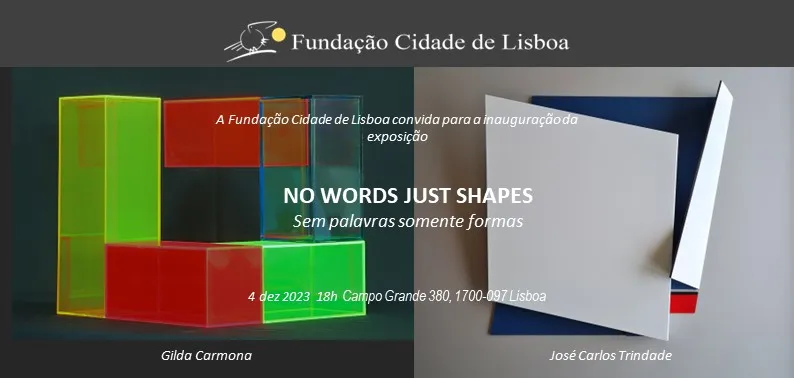
NO WORDS JUST SHAPES, Gilda Carmona e José Carlos Trindade
Have you ever imagined a world without spoken or written language? Could we communicate without words, only with shapes?
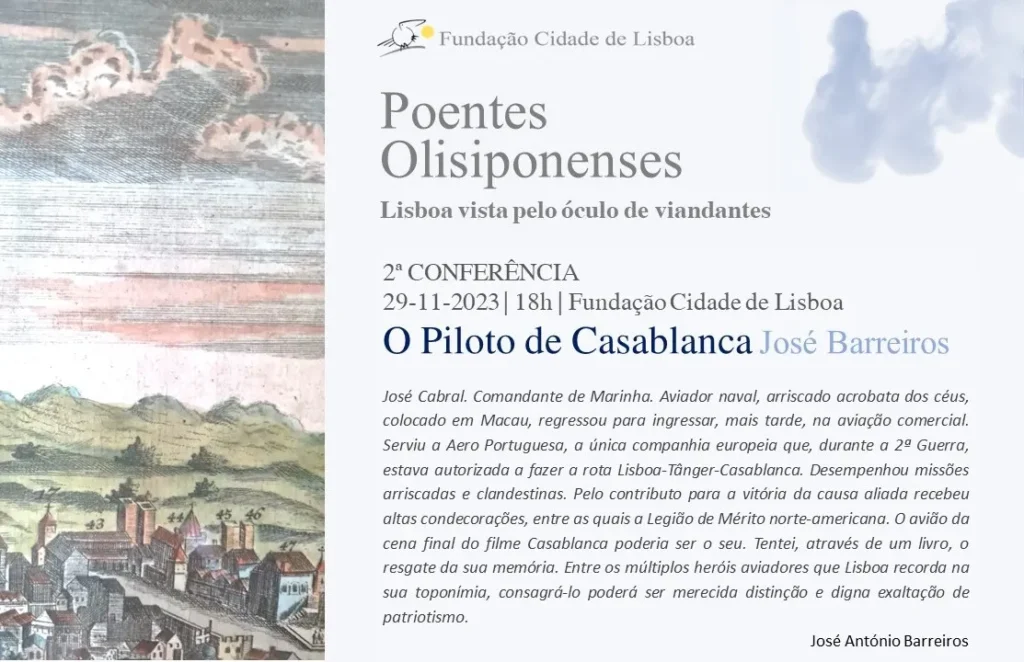
O Piloto de Casablanca – José Barreiros
The Pilot of Casablanca – José Barreiros Delivered by Dr José António Barreiros, this lecture takes us back to the pilot José Cabral, a daring aviator and aerial acrobat who served with Aero-Portuguesa, the only European airline authorised to operate the Lisbon–Tangier–Casablanca route during the Second World War.
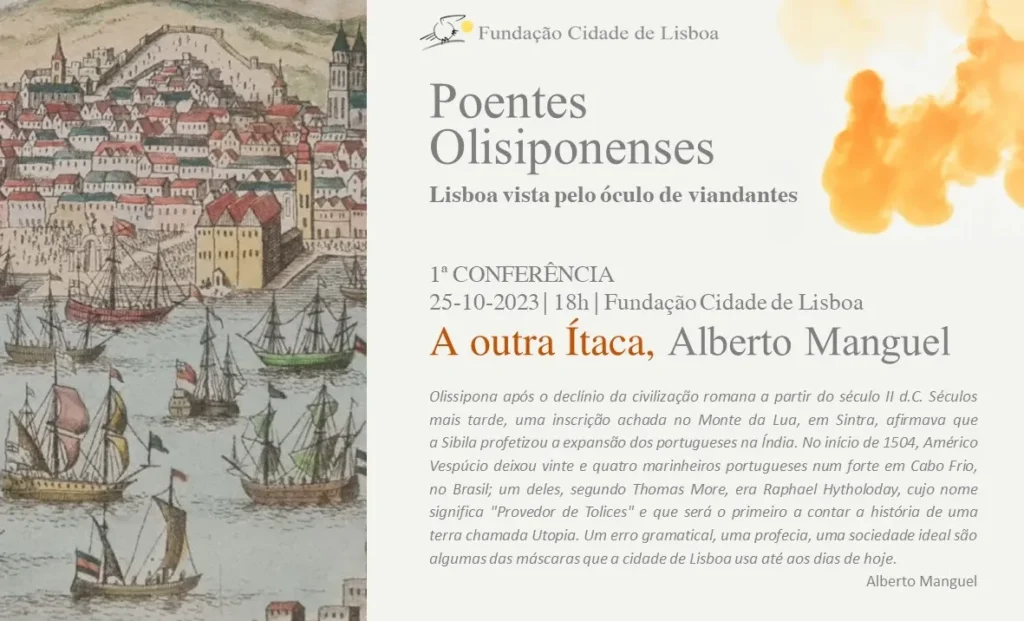
A outra ítaca – Alberto Manguel
The first conference, ‘The Other Ithaca,’ by Alberto Manguel, took place on 25 October 2023.
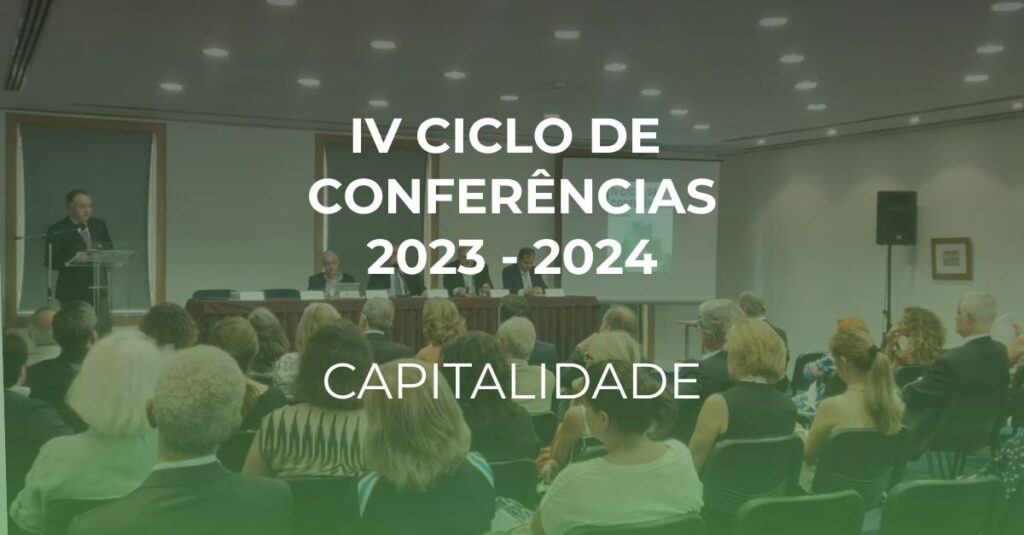
IV Ciclo de Conferências – Capitalidade
The session dedicated to the theme ‘Capitality’ of the IV Conference Cycle took place on 3 July.
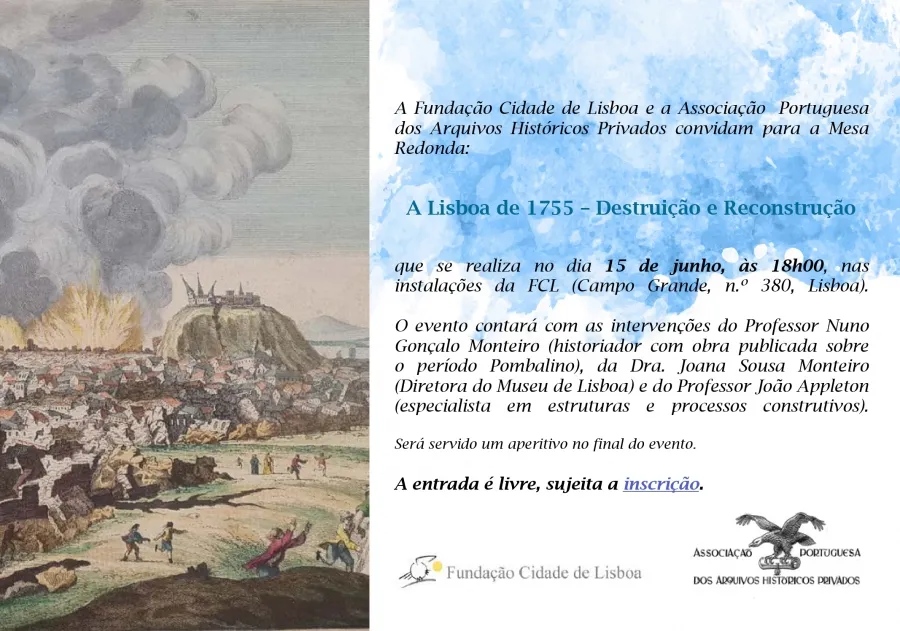
A Lisboa de 1755 – Destruição e Reconstrução – Nuno Gonçalo Monteiro, Joana Sousa Monteiro, João Appleton
The round table discussion ‘Lisbon in 1755 – Destruction and Reconstruction’ took place on 15 June.
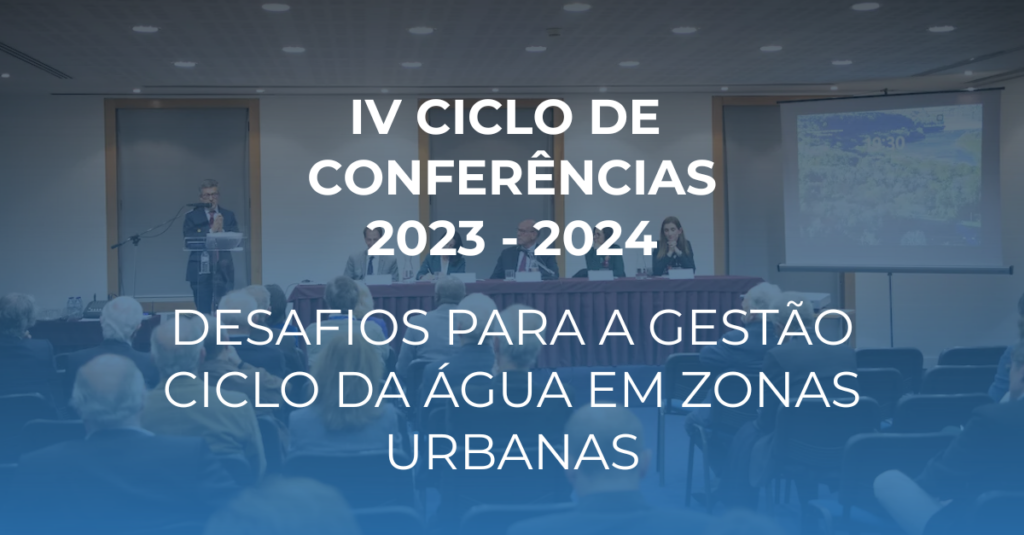
IV Ciclo de Conferências – Desafios para a gestão do ciclo de água em zonas urbanas
On 12 March, Professor Mário Avelar gave a literary, critical and cultural talk in which he explored the intersections between literature and cinema, urban spaces and everyday experiences.
IV Ciclo de Conferências – Desafios para a gestão do ciclo de água em zonas urbanas
The first session of the fourth cycle of conferences, ‘Challenges for water cycle management in urban areas,’ took place on 22 March.
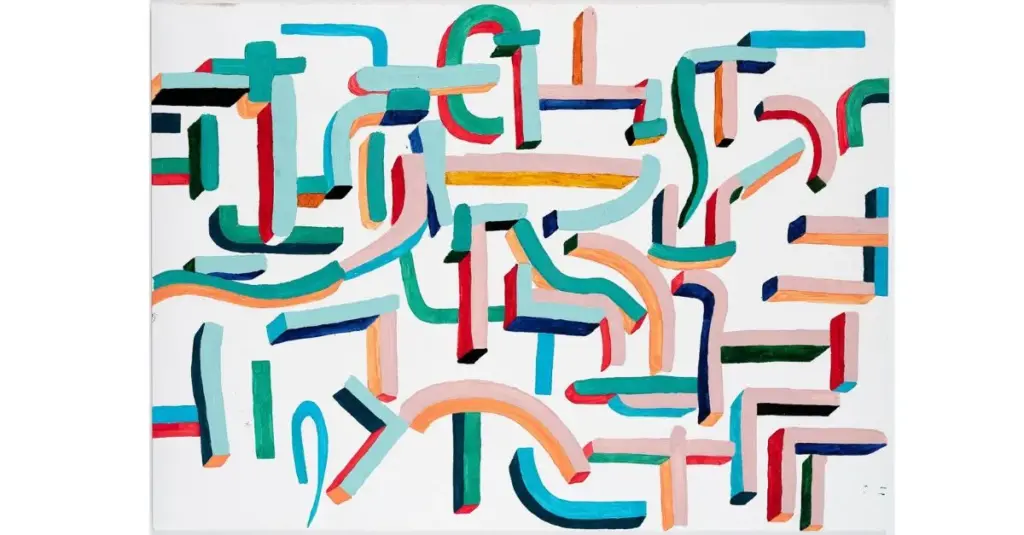
Manipanzo O Outro Eu – Gonçalo Malato
Exhibition by Gonçalo Malato “Manipanzo The Other Me”

Big Ideias in Lisbon – Peter Murphy, Jonathan Weighman, Amanda Booth e Suresh Nampuri
BIG IDEAS IN LISBON was a programme of conferences and cultural events.
Big Ideias in Lisbon – American literary arts – Sam Witt e Debra Di Blasi
BIG IDEAS IN LISBON was a programme of conferences and cultural events organised by the FCL
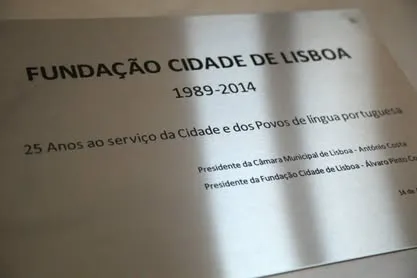
Sessão comemorativa do 25º aniversário da Fundação
On 14 April 2014, the Fundação Cidade de Lisboa celebrated 25 years of active service to the city and to Portuguese-speaking communities.
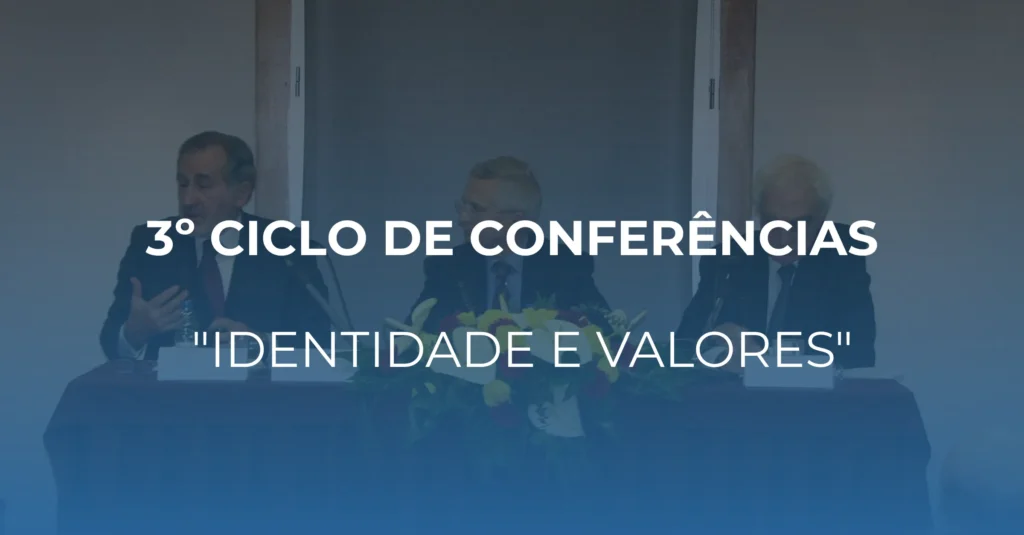
III Ciclo de Conferências “Identidade e Valores”
In 2011, the ‘III Cycle of FCL Conferences’ was held, focusing on ‘Identity and Values’.
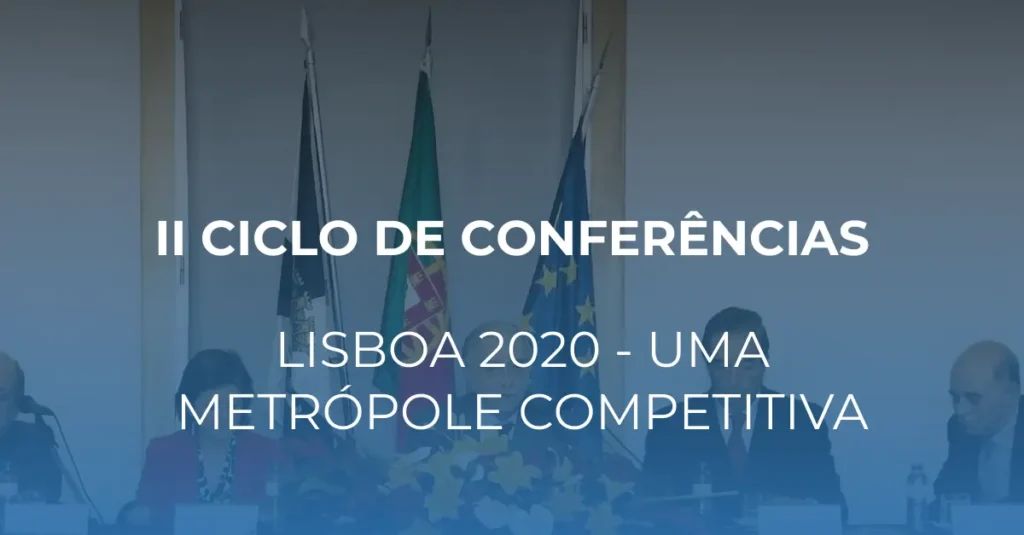
II Ciclo de Conferências – Lisboa 2020, uma metrópole competitiva
In 2008, the II Cycle of Conferences commenced, dedicated to envisaging the development of the city, under the title "Lisbon 2020 – A Competitive Metropolis".
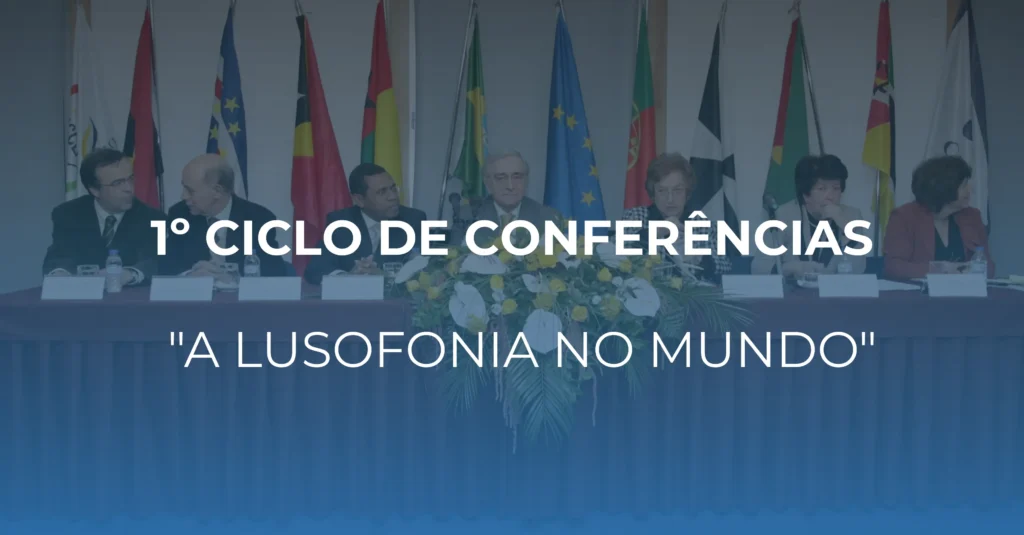
I Ciclo de Conferências “A Lusofonia no Mundo”
The 1st Cycle of Conferences, with the theme “Lusophony in the World”, took place in 2007 and consisted of six events that discussed the Lusophone matrix and the role of the Portuguese language in the context of globalisation.
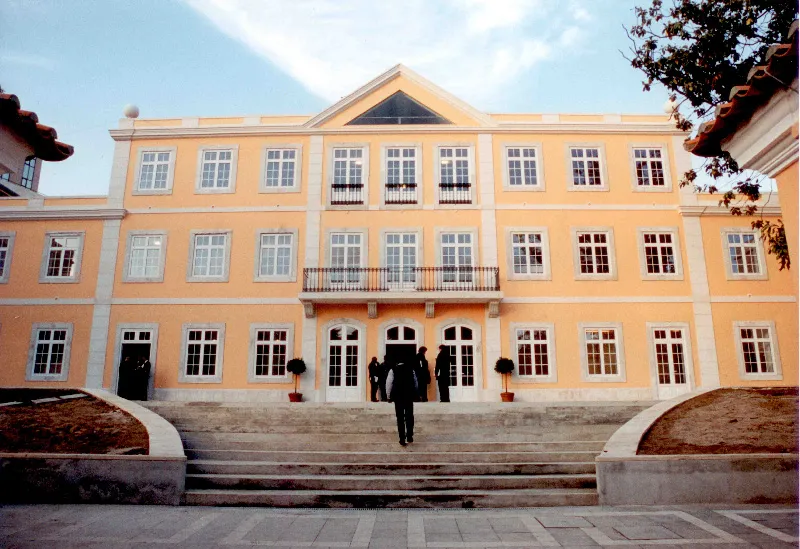
Inauguração da nova sede da FCL
Inauguration speech for the new FCL headquarters and tribute to Nuno Krus Abecasis
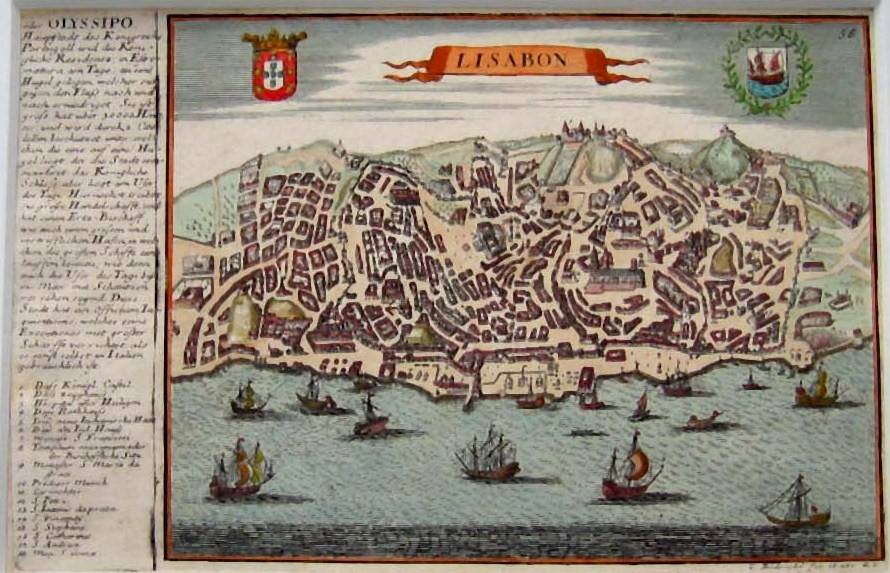
Collection of Engravings
Over the course of many years, the Fundação Cidade de Lisboa has meticulously assembled, through various auctions, a distinguished collection of rare engravings depicting the city of Lisbon.
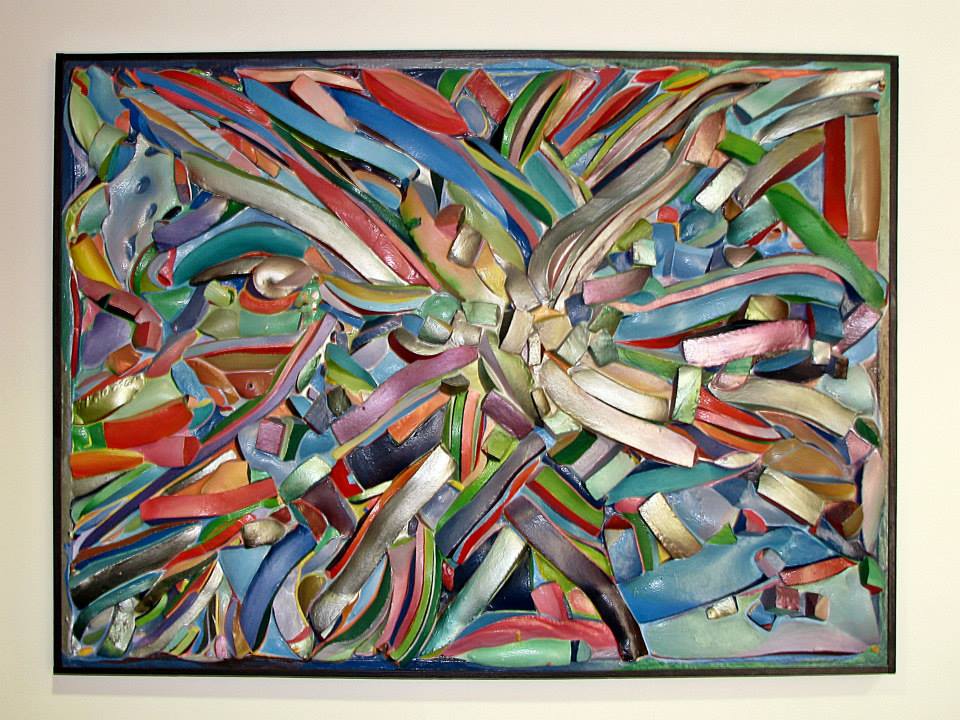
Prémio de Pintura João Barata
The Fundação Cidade de Lisboa’s patronage of this painting competition commenced in 1991 and has since been held biennially, organised by the Livraria Barata in Lisbon.