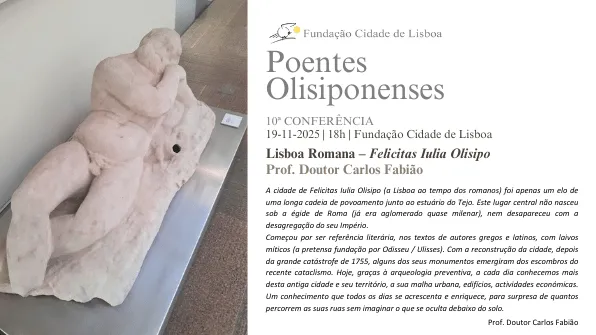
The city of Felicitas Iulia Olisipo (Lisbon in Roman times) was just one link in a long chain of settlements along the Tagus estuary. This central location did not come into being under the aegis of Rome (it was already an almost millennial agglomeration), nor did it disappear with the collapse of the Roman Empire.
It began as a literary reference in the texts of Greek and Latin authors, with mythical overtones (the alleged foundation by Odysseus/Ulysses). With the reconstruction of the city after the great catastrophe of 1755, some of its monuments emerged from the rubble of the recent cataclysm. Today, thanks to preventive archaeology, we are learning more every day about this ancient city and its territory, its urban fabric, buildings and economic activities. This knowledge is growing and enriching every day, to the surprise of those who walk its streets without imagining what lies hidden beneath the ground.
Prof. Dr. Carlos Fabião
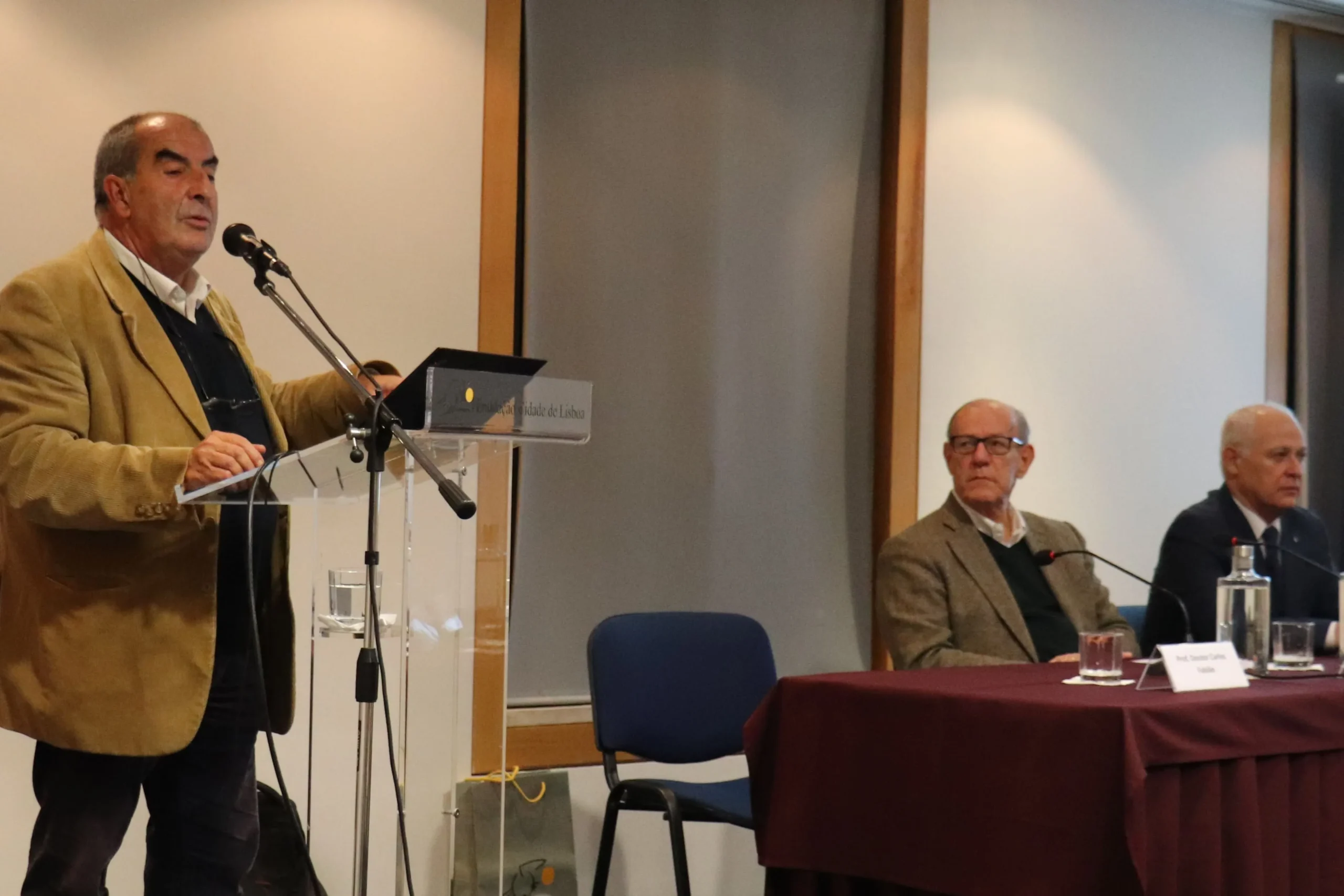
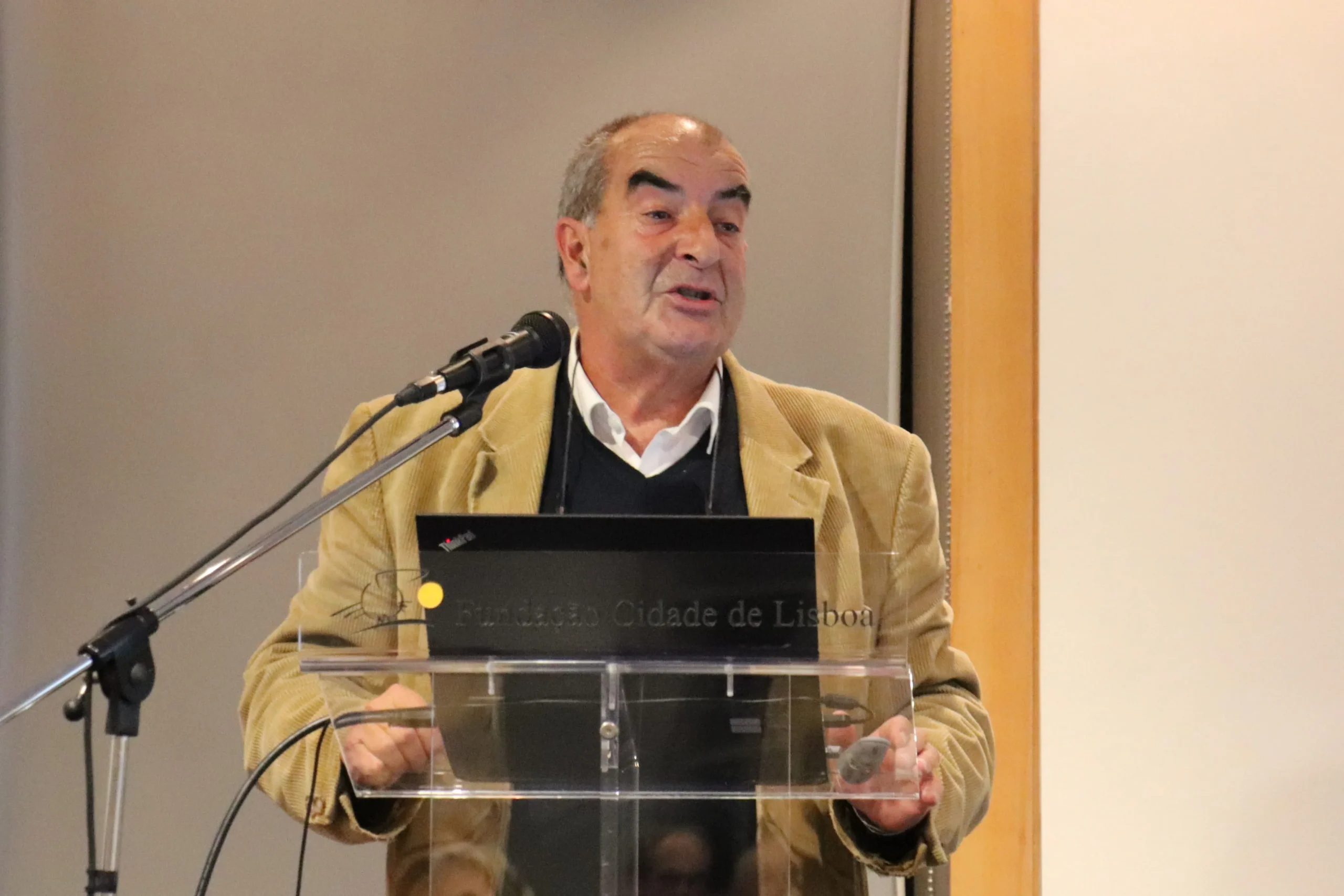
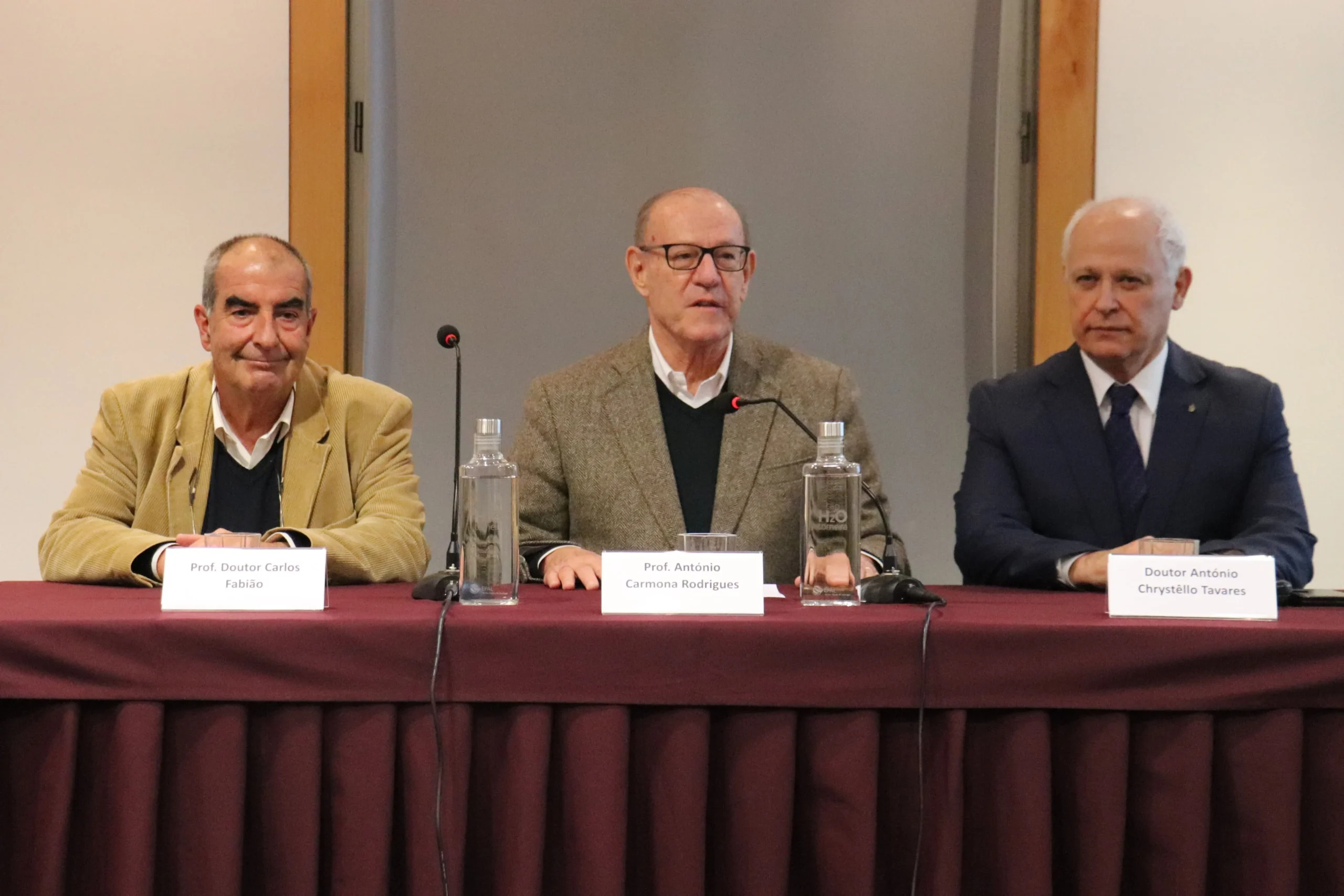
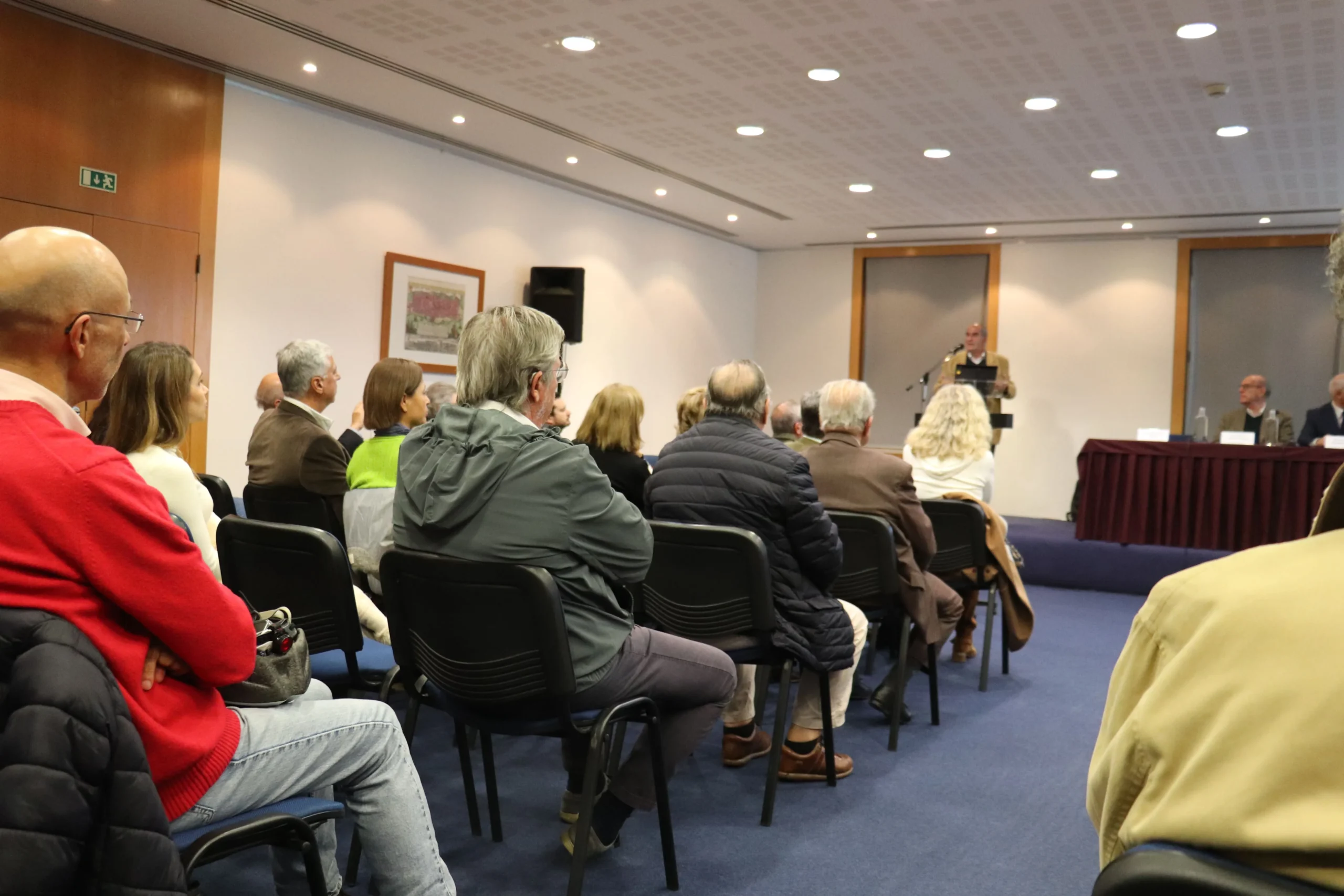
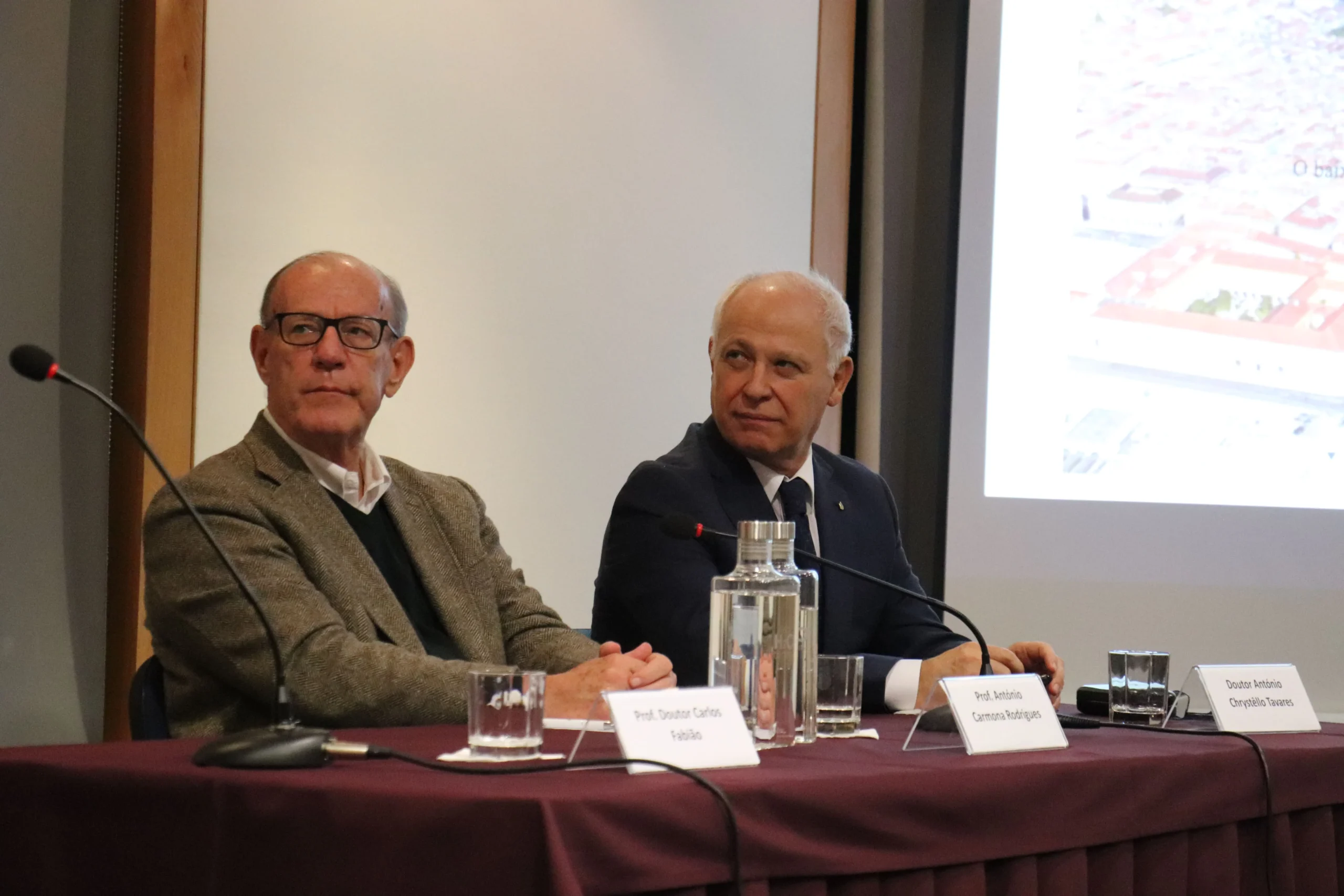
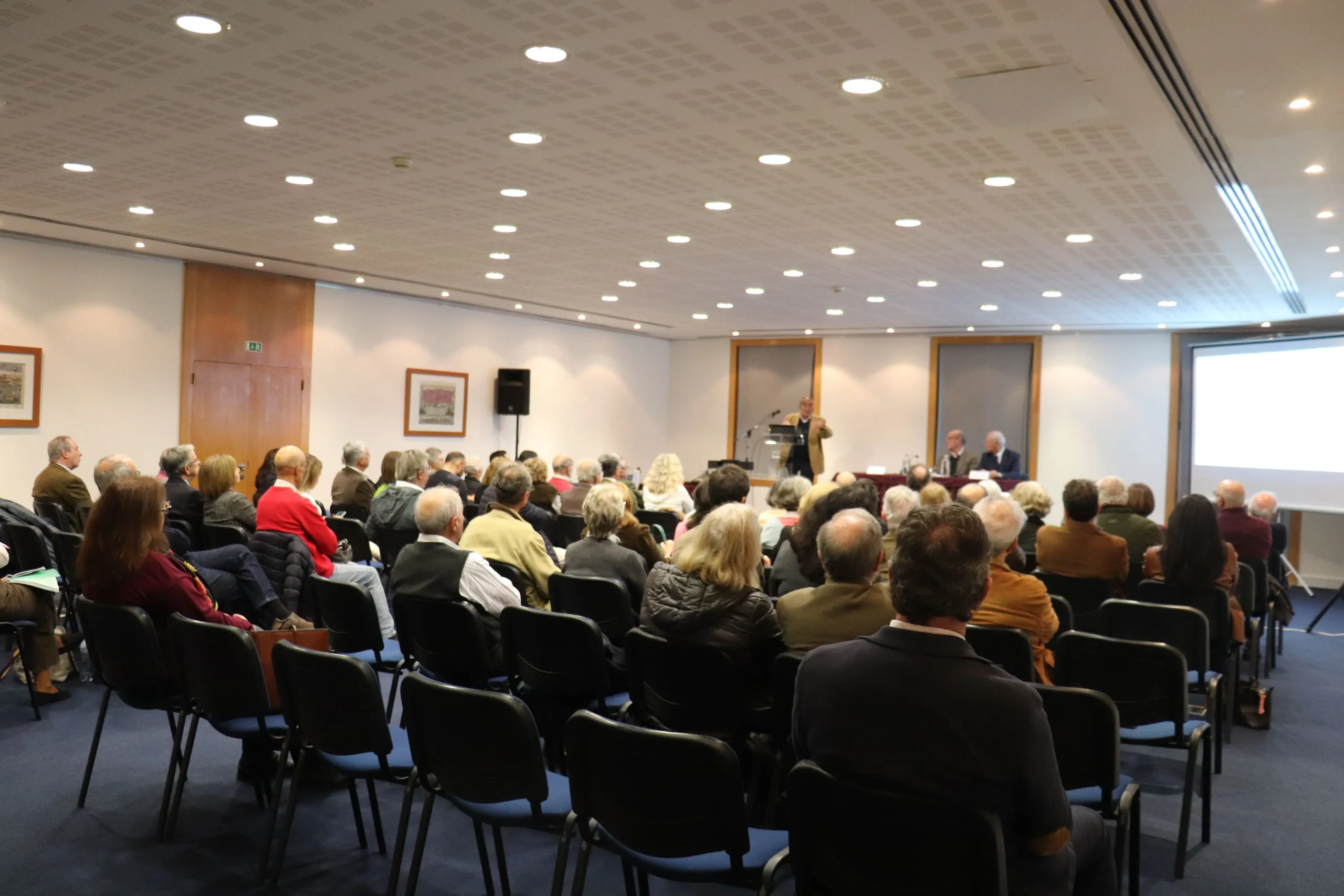
The fourth and final lecture of 2025 took place on 19 November and was given by Professor Carlos Fabião. The lecture focused on Lisbon during the Roman period, presented as a key link in a long chain of settlements along the Tagus estuary. Through an illustrated presentation, the speaker highlighted the central nature of this territory, which predates the Roman presence and did not disappear with the collapse of the Empire.
According to Professor Carlos Fabião, Lisbon first appears as a literary reference in Greek and Latin authors, shrouded in mythical elements, such as its alleged foundation by Ulysses. The lecture also highlighted how, after the reconstruction of the city following the 1755 earthquake, various Roman remains emerged from the rubble. Currently, thanks to preventive archaeology, knowledge about the ancient city, its urban fabric, buildings and economic activities has been growing steadily, revealing a heritage hidden beneath the streets of the contemporary city.