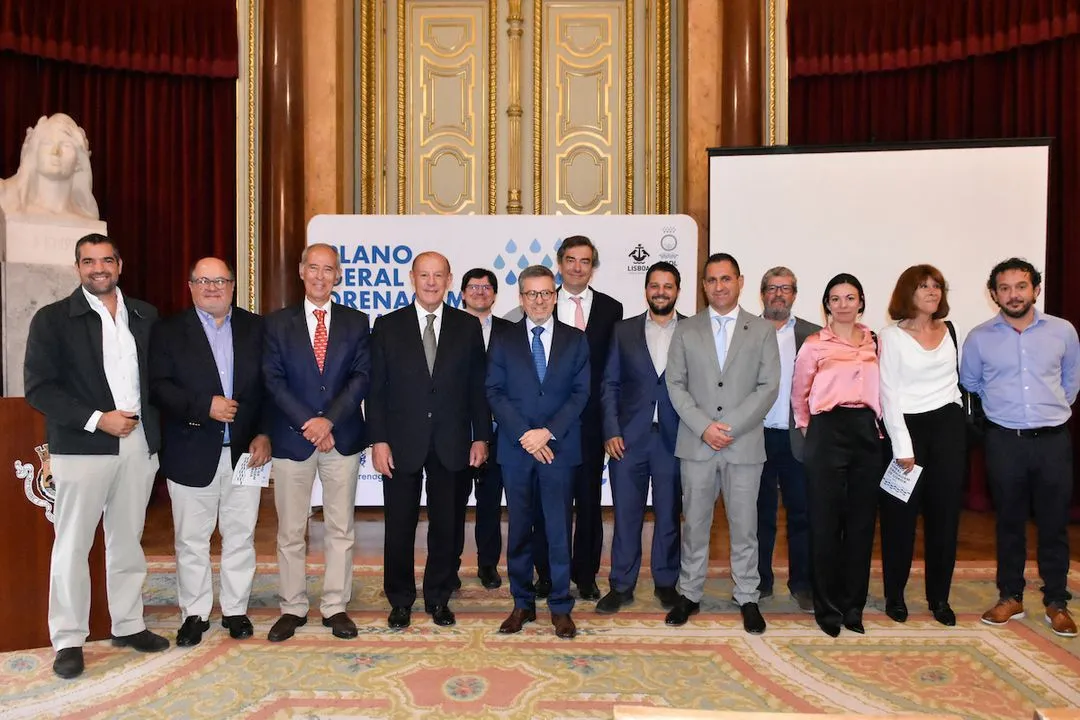
The Lisbon General Drainage Plan is officially underway! As stated by the Lisbon City Council on Facebook: “The contract has been signed for a project that includes the construction of two underground tunnels—one between Monsanto and Santa Apolónia, and the other between Chelas and Beato. These will, on one hand, protect and prepare the city for the impacts of climate change by reducing the risk of flooding, and on the other, conserve water by reusing it for irrigation and street cleaning.”

The Lisbon City Council further noted on LinkedIn: “The most impactful phase of one of Lisbon’s largest-ever engineering works is about to begin: The General Drainage Plan. This project was conceived by Professor António Carmona Rodrigues in 2004 who, in his capacity as Mayor of Lisbon, signed the initial proposal presented to the Executive Meeting, laying the foundations for the work.”


Here is the translation of the text into British English:

Nearly 20 years later, the project is being coordinated by José Silva Ferreira, who leads a team of 12 people. This team includes engineers, architects, and various other municipal specialists ranging from experts in Mobility, Green Spaces, and Communication to those in Works, Finance, Customer Service, Civil Protection, and the Fire Service, among others.

These teams monitor the progress of the construction step by step, coordinating with municipal services to minimise the impact on both the city and its residents. At its peak, the project will employ 800 workers simultaneously, supported by 40 site supervisors.

The General Drainage Plan project involves the construction of two underground tunnels: one connecting Monsanto to Santa Apolónia and another between Chelas and Beato. These will serve a dual purpose: firstly, protecting and preparing the city for the effects of climate change by reducing flood risk; and secondly, conserving water by reusing it for irrigation and street cleaning.

The works are expected to be completed in 2025.