What for?
Overall objective: To contribute to the socio-economic development and empowerment of women on the island of Santo Antão, Cape Verde, through vocational training, promotion of entrepreneurship and improvement of maternal and child health conditions.
Specific objectives:
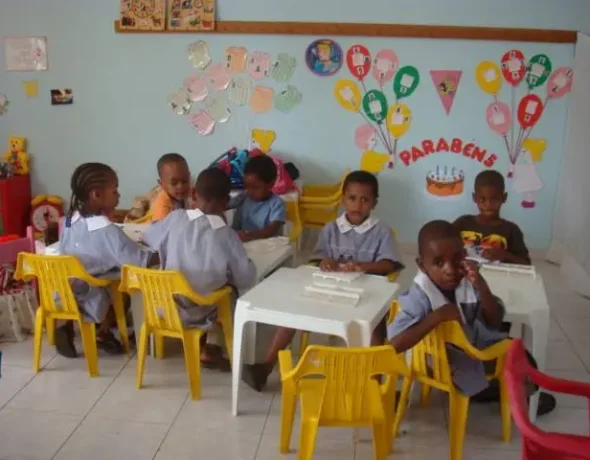
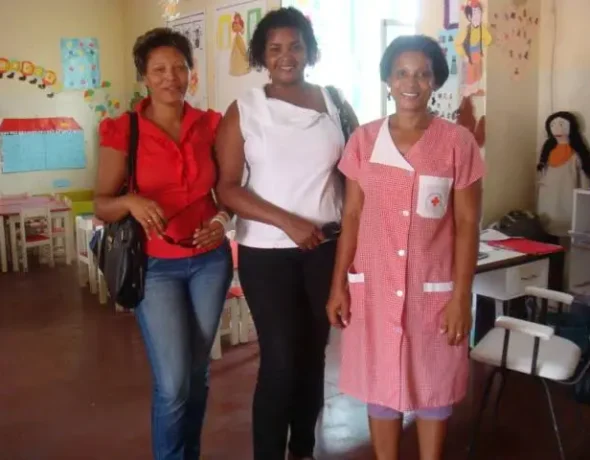
- To train early childhood support monitors, improving the quality of childcare, with a total of 97 trainees.
- Empower and support women’s entrepreneurship in the island’s three municipalities, encouraging the creation of small businesses, with 51 participants.
- Train sexual and reproductive health promoters to provide pregnancy and childbirth support and community counselling.
- Promote awareness campaigns for ‘Better Assisted Motherhood’ in the most impoverished areas, with 34 participants.
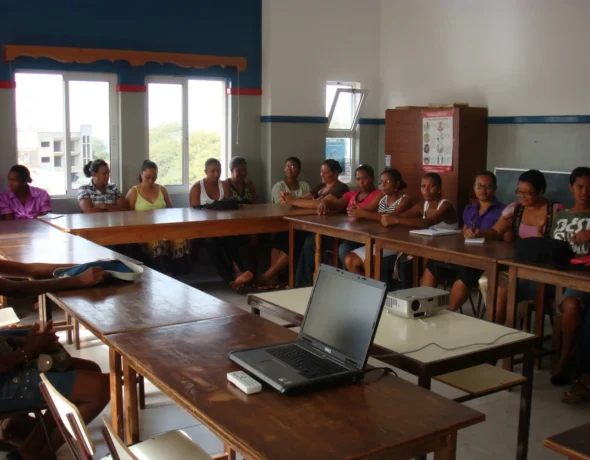
- Develop training activities in associationism, entrepreneurship and small business management, and project development techniques, encouraging the participation of unemployed women.
For whom?
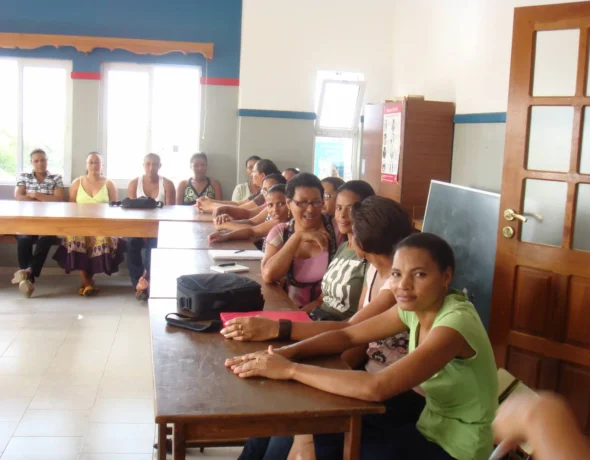
Women residing in the three municipalities of Santo Antão Island (Cape Verde) who are low-skilled, unemployed or have difficulties integrating into the labour market, and communities with maternal and child health needs.
How?
Main activities:
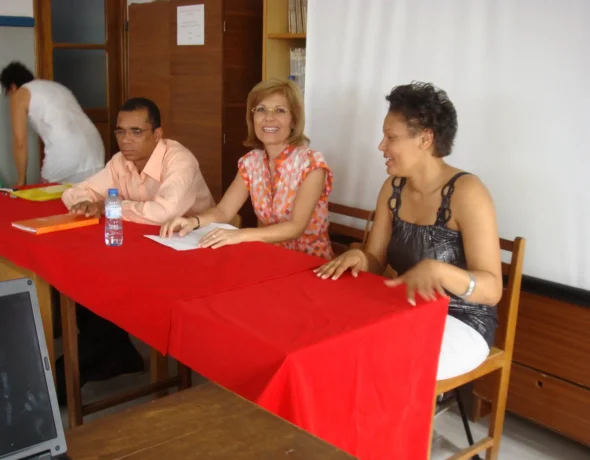
- A1 – Professional training: Early childhood support monitors.
- A2 – Entrepreneurship: Training and support for setting up their own businesses.
- A3 – Community health: Training of sexual and reproductive health promoters.
- A4 – Awareness raising: Campaigns for better assisted maternity care.
- A5 – Advanced training: Associativism, entrepreneurship and project development.